North York Moors National Park spans around 1,400 square kilometres of heather moorland, river valleys, and dramatic coastline in North Yorkshire - making your choice of base genuinely consequential. Staying centrally within the park, in market towns like Pickering, Helmsley, or Coxwold, puts the North Yorkshire Moors Railway, Rievaulx Abbey, and the coastal fringe within a short drive. This guide covers five well-positioned hotels that give you real access to the park's core, with honest trade-offs for each.
What It's Like Staying in North York Moors National Park
The North York Moors is primarily a rural destination with no major urban transport hub at its centre - getting around relies almost entirely on a car or the heritage steam railway between Pickering and Grosmont. Market towns like Pickering and Helmsley act as the most practical bases, offering parking, pubs, and easy access to moorland trailheads without requiring guests to navigate remote back roads after dark. Visitor numbers spike sharply between June and September, particularly around the coastal village of Robin Hood's Bay and along the North Yorkshire Moors Railway corridor, so accommodation books out weeks ahead during peak summer.
Pros:
- Immediate access to over 1,400 km2 of moorland, walking trails, and the North Yorkshire Moors Railway from centrally located towns
- Market towns like Helmsley and Pickering have independent restaurants, local pubs, and weekly markets within walking distance of most hotels
- Significantly quieter and more affordable than coastal Yorkshire alternatives like Whitby, especially mid-week
Cons:
- A private car is effectively essential - public transport within the national park is sparse and seasonal
- Limited late-night dining and entertainment options compared to York or Scarborough
- Mobile signal and internet connectivity can be unreliable in more rural properties and surrounding villages
Why Choose a Centrally Located Hotel in North York Moors National Park
Central hotels in the North York Moors tend to occupy historic buildings - coaching inns, Edwardian manses, and 16th-century inn conversions - that add genuine character unavailable in out-of-park chain hotels. Staying inside the park boundary saves around 30 minutes of daily driving compared to basing yourself in York or Scarborough, which matters when you are trying to reach early-morning trailheads or catch the steam railway's first departure. Room rates at centrally placed moorland hotels typically run more competitive than comparable coastal Yorkshire properties in peak season, though breakfast is frequently included, which meaningfully offsets daily costs.
Pros:
- Historic inn and country house properties offer architectural character that modern out-of-park hotels cannot match
- Breakfast is included at most central moorland hotels, reducing daily spend in an area with limited budget dining
- Central positioning in towns like Pickering or Helmsley means Rievaulx Abbey, Helmsley Castle, and key trailheads are reachable within 20 minutes by car
Cons:
- Rooms in converted historic buildings can be smaller and less uniform than purpose-built hotel rooms
- Evening meal options may require advance booking or are limited to the hotel's own restaurant
- Parking in market town centres, while often free at the hotel, can be tight for larger vehicles
Practical Booking & Area Strategy for the North York Moors
Pickering is the strongest all-round base for first-time visitors: it sits at the southern gateway to the national park, serves as the departure point for the North Yorkshire Moors Railway, and has Pickering Castle and the Beck Isle Museum within easy walking distance. Helmsley, around 20 kilometres west, suits visitors prioritising Rievaulx Abbey, Helmsley Walled Garden, and the western moors, with the added advantage of a thriving independent food scene. Book at least 8 weeks ahead for summer weekends - the park receives over 10 million visitor days annually, and smaller central properties sell out well before coastal alternatives. For shoulder-season visits in April to May or October, last-minute availability improves and rates tend to drop, while the moorland heather and autumn colours are genuinely worth the timing.
Best Value Stays
These properties deliver strong access to the park's key attractions at competitive rates, with breakfast included and free parking - practical advantages that matter in a region where meals and parking add up quickly.
-
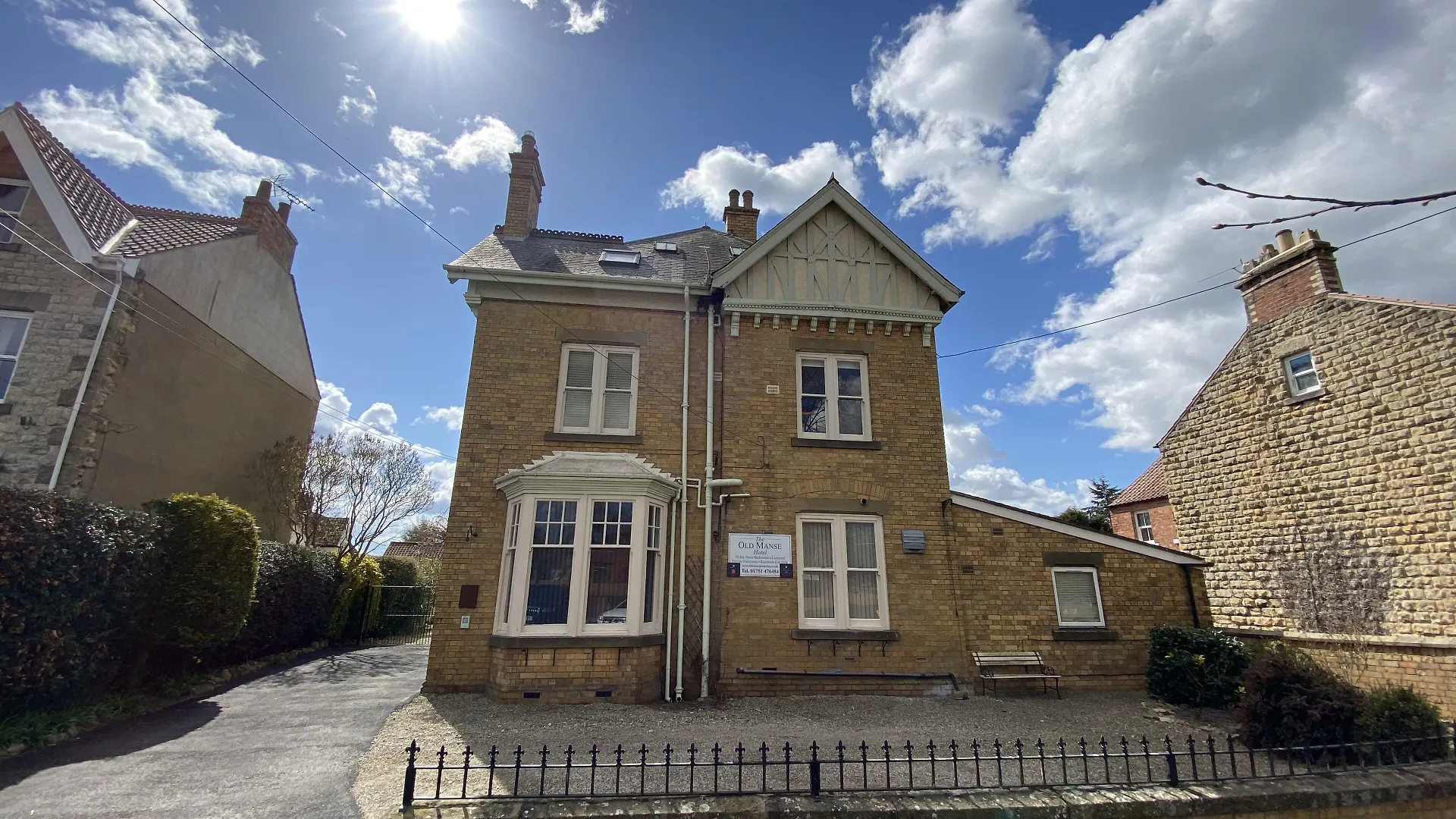
1. The Old Manse Pickering
Show on map


 Check-infrom 15:00 until 21:00Check-outfrom 08:00 until 10:00
Just a few rooms left at the best rate!
from£ 96
-
2. The Flask Inn, Fylingdales, Whitby
Show on map


 Check-infrom 16:00 until 18:00Check-outfrom 10:00 until 11:00
Just a few rooms left at the best rate!
from£ 92
-
3. The Fauconberg
Show on map


 Check-infrom 14:00 until 22:00Check-outuntil 11:00
Hurry – almost gone at this price!
from£ 125
Best Premium Stays
These two properties stand out for their historic credentials, elevated dining, and room quality - both are well-established moorland inns with a strong track record among returning visitors to the national park.
-
4. The White Swan Inn
Show on map


 Check-infrom 15:00 until 19:30Check-outfrom 07:00 until 11:00
Hurry – almost gone at this price!
from£ 196
-
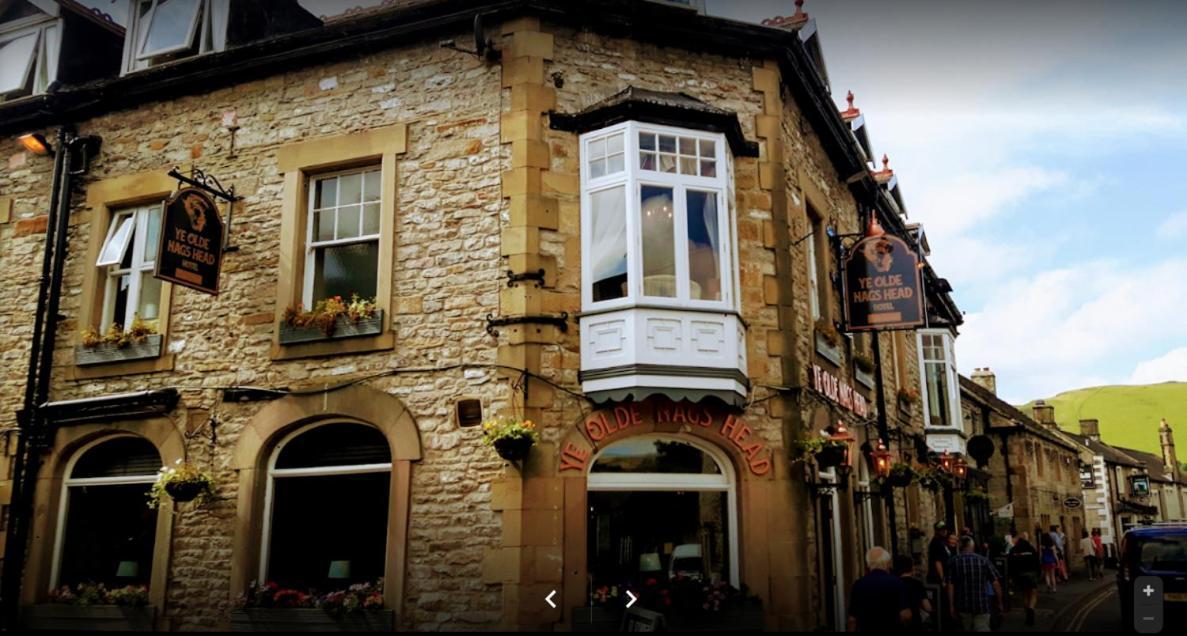
5. The Black Swan - The Inn Collection Group
Show on map


 Check-infrom 15:00 until 23:00Check-outfrom 07:00 until 10:00
Rooms filling fast – secure the best rate!
from£ 72
Smart Travel & Timing Advice for North York Moors Hotels
The North York Moors peaks between late July and August, when the purple heather bloom draws visitors across the moorland plateau and the North Yorkshire Moors Railway runs at full capacity - central hotels in Pickering and Helmsley sell out fastest during this window. Book at least 8 weeks ahead for any summer weekend stay, particularly for properties with fewer than 20 rooms, which covers most of the inns in this guide. The shoulder seasons of April to May and October offer the best balance of availability and scenery: spring brings green moorland and lower rates, while October delivers dramatic skies and the likelihood of finding last-minute space mid-week. A minimum of two nights is recommended - one night is rarely enough to cover both the railway experience and a serious moorland or coastal walk, and most hotels apply minimum-stay requirements on peak summer weekends anyway. Winter midweek stays are the quietest and most affordable window, though some facilities - particularly restaurant services at smaller inns - may operate on reduced schedules.