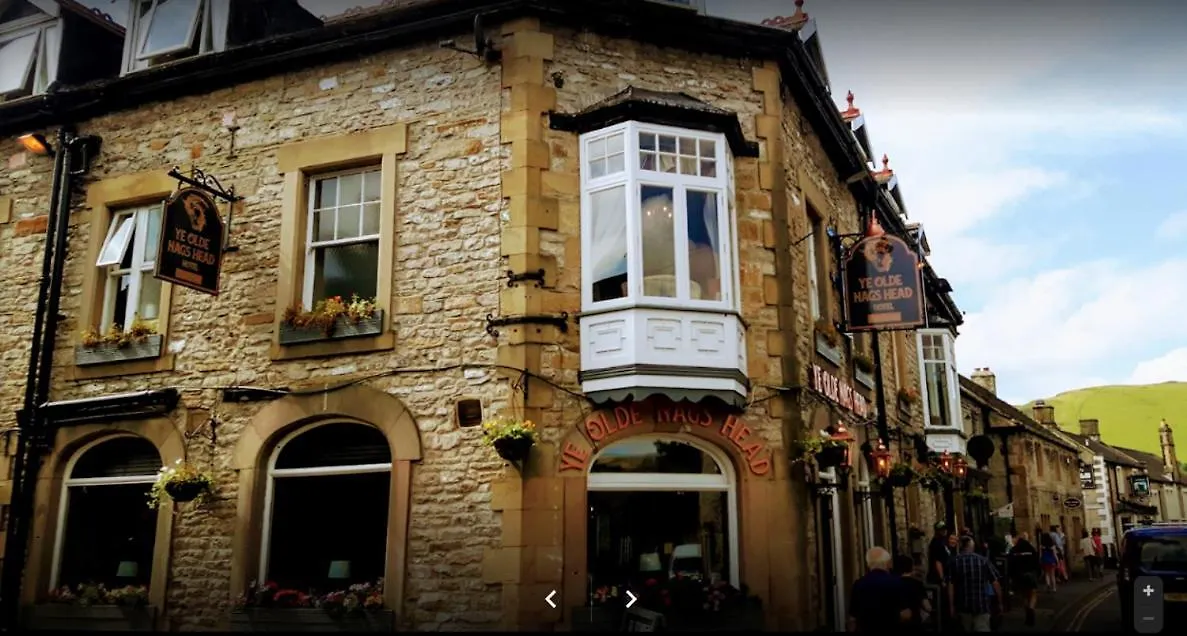
Finding the right centrally located hotel in the Peak District means balancing access to key villages, national park trailheads, and reliable transport links - not an easy task across this sprawling 1,440 km2 national park. This guide cuts through the noise to help you compare five real options across Castleton, Hope, Old Glossop, Chesterfield, and Rudyard, based on actual facilities, distances, and practical fit for different traveller types.
What It's Like Staying in the Peak District
The Peak District sits at the geographic heart of northern England, wedged between Manchester, Sheffield, and Derby - making it one of the most visited national parks in the world, with around 13 million visitors per year. Despite its popularity, the park remains largely rural: there is no single central town, so where you base yourself determines everything from hiking access to evening dining options. Villages like Castleton, Hope, and Hathersage serve as the most practical bases for walkers, while towns on the park's edge - Chesterfield, Glossop - offer better transport links but a more suburban feel. Crowds peak sharply on summer weekends, particularly around Castleton's cave systems and the Chatsworth Estate, while weekday stays in shoulder season offer a noticeably quieter experience.
Pros:
- Exceptional access to hiking, cycling, and climbing without leaving the area
- Strong road connections to Manchester (around 1 hour) and Sheffield (around 45 minutes)
- Village-based accommodation tends to be more characterful and locally run than city alternatives
Cons:
- No public transport spine - a car is almost essential for moving between villages and attractions
- Limited late-night dining and entertainment options outside of hotel bars
- Weekend and bank holiday demand can make last-minute bookings unreliable in peak months
Why Choose Central Hotels in the Peak District
Centrally located hotels in the Peak District tend to be independent inns, country pubs with rooms, or small lodges - properties embedded in specific villages rather than anonymous branded blocks. This positioning gives guests immediate access to trailheads and village pubs without needing to drive, which matters when the roads through Winnats Pass or along Snake Pass are congested on summer weekends. Expect rates that reflect the rural premium: mid-range options in Castleton or Hope typically run higher than equivalent-star hotels in Sheffield, but they deliver a dramatically different experience - stone walls, open fires, and walking distance to the Dark Peak. The trade-off is that room sizes can be compact in older inn conversions, and facilities like pools or spas are rare unless you opt for a lodge-style property.
Pros:
- Village-centre positioning means trailheads, cafés, and pubs are walkable
- Characterful buildings with period features not replicable by modern hotel chains
- Breakfast quality in Peak District inns is consistently high, often sourced locally
Cons:
- Room sizes in converted coaching inns can be noticeably smaller than urban equivalents
- Parking can be limited during peak season despite most properties advertising free spaces
- Evening entertainment is minimal - hotel bar or nothing in most village locations
Practical Booking & Area Strategy
Your choice of base village shapes your entire Peak District stay. Castleton is the best all-round base for first-time visitors: it sits in the Hope Valley with direct access to Mam Tor, Blue John Cavern, and Peveril Castle, all within walking distance of the village centre. Hope, just 3 km east of Castleton, offers a quieter alternative with direct rail access on the Hope Valley Line - a rare advantage in this car-dependent region. Old Glossop on the park's northwest edge suits travellers splitting time between the Peak District and central Manchester, which is around 30 minutes by car. Chesterfield, on the southeastern edge, is less immersive but well-connected to Sheffield and East Midlands Airport, making it a practical first or last night option. For Chatsworth House, the most visited stately home in England, staying in Hope or Castleton puts you roughly 20 km away - a straightforward drive on the B6049. Book at least 8 weeks ahead for summer weekends across all these locations.
Best Value Stays
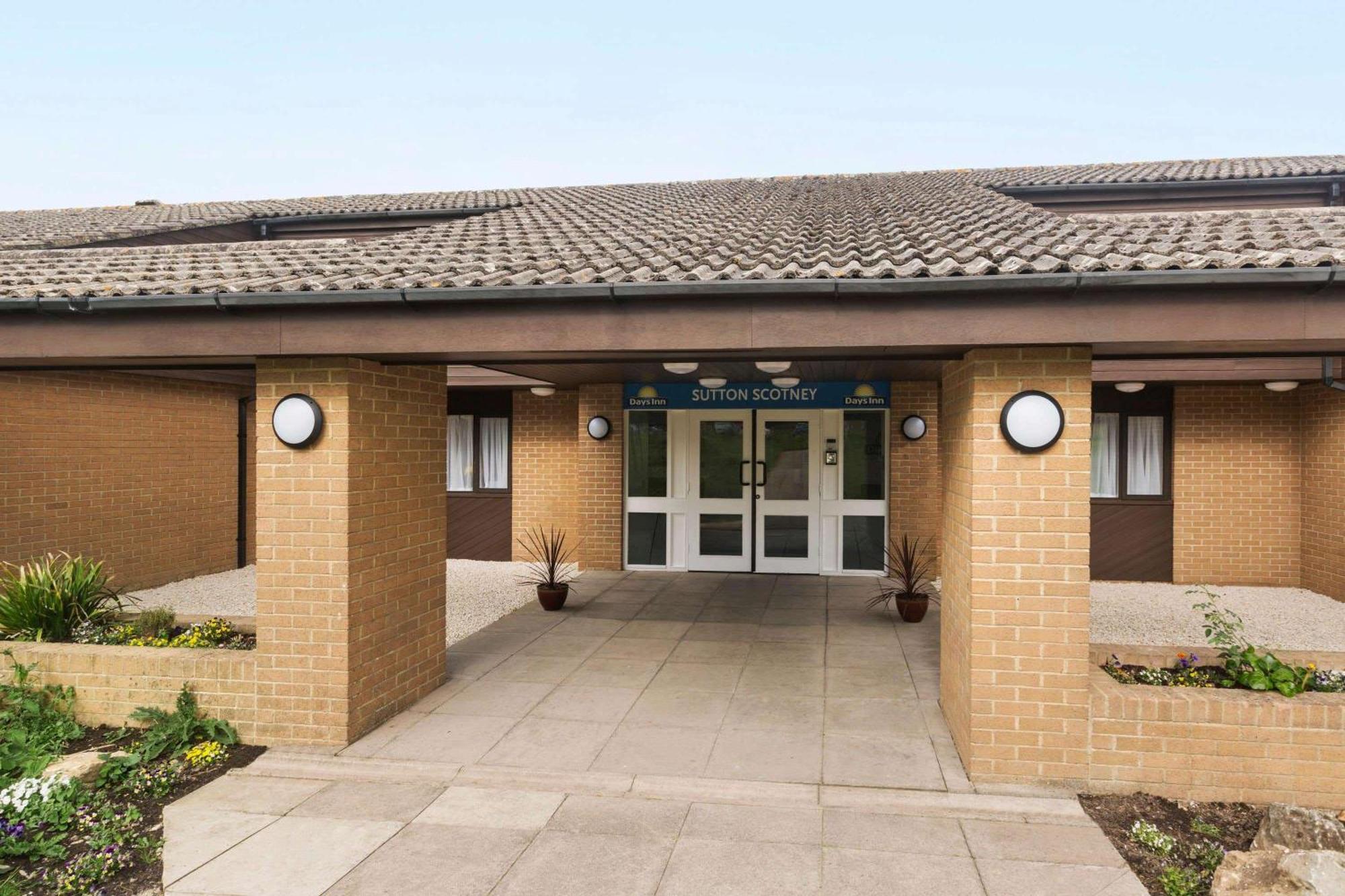
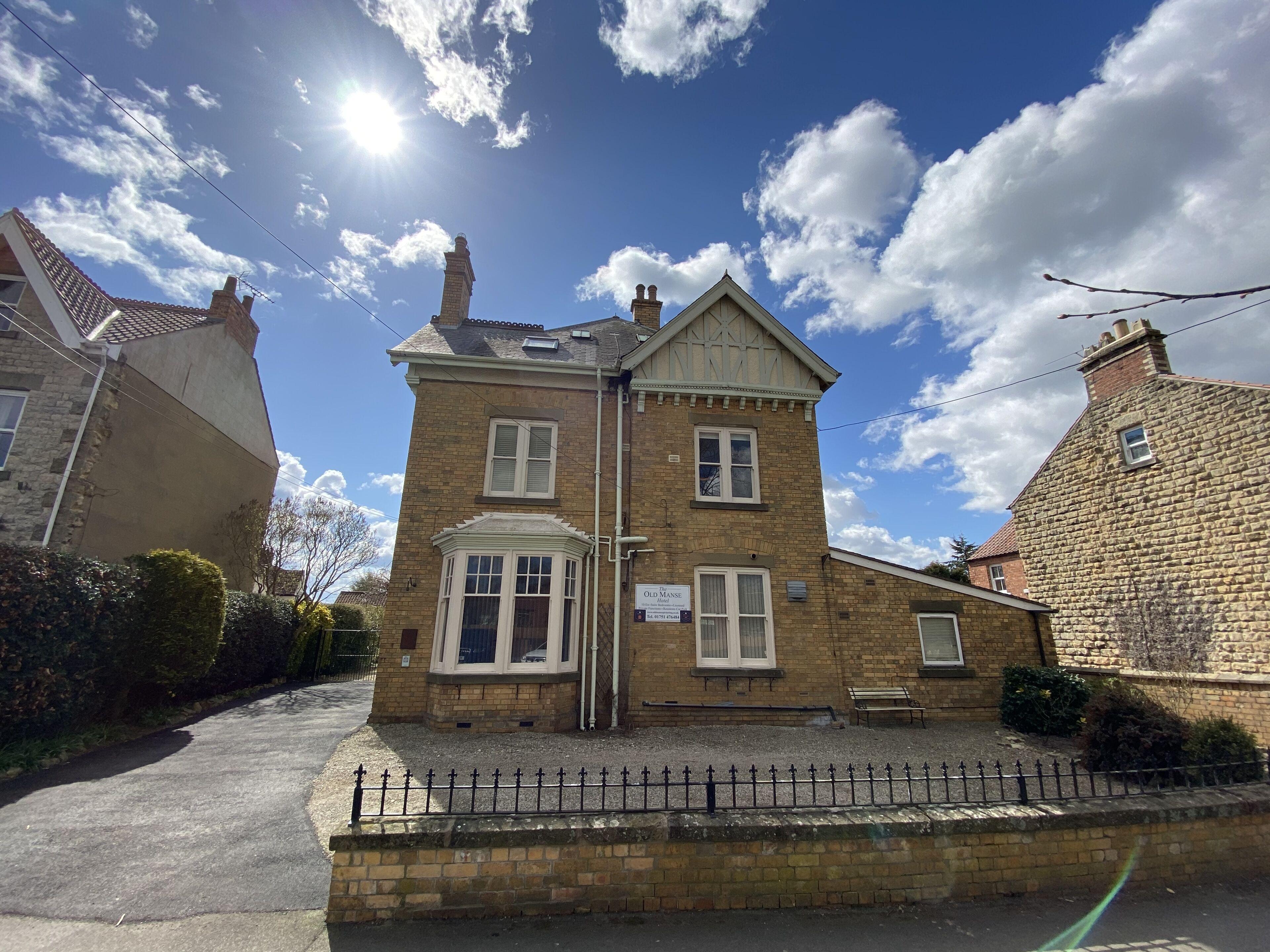
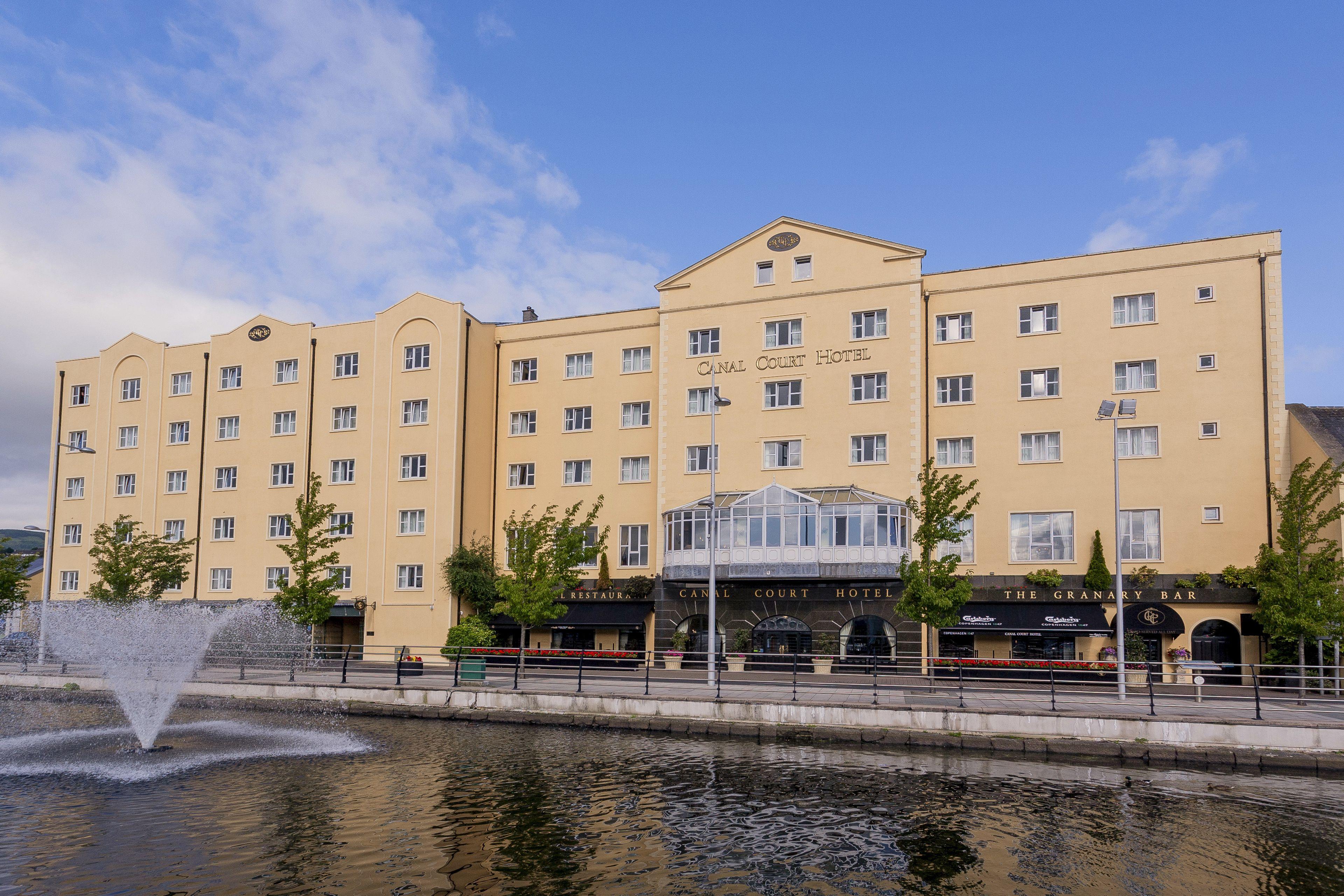
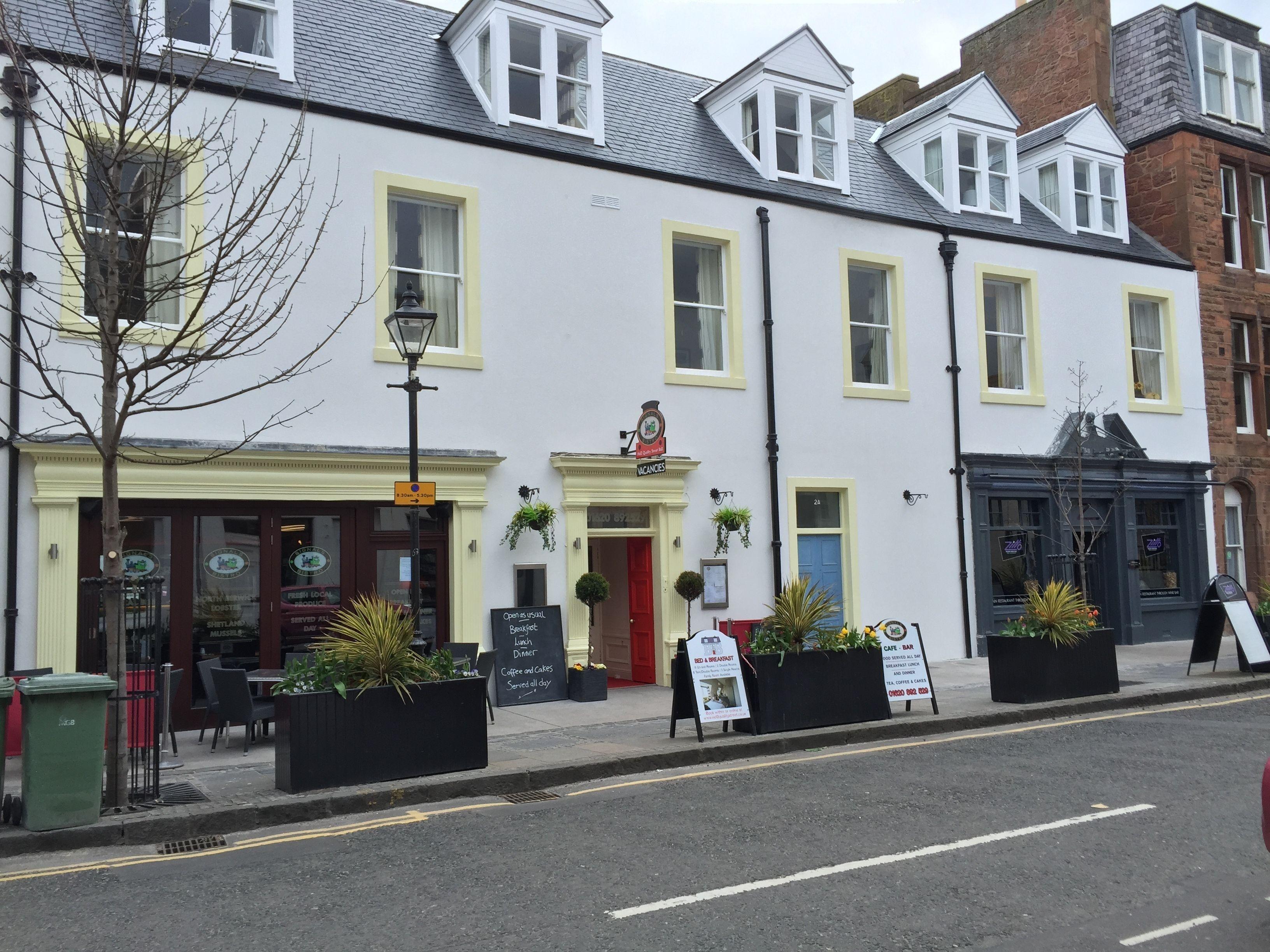
These properties deliver strong practical value for walkers, families, and travellers seeking characterful accommodation without premium lodge pricing - positioned in or near core Peak District villages.
-
1. Ye Olde Nags Head
Show on map


 Check-infrom 14:00 until 22:00Check-outfrom 08:00 until 11:00
Just a few rooms left at the best rate!
from£ 79
-
2. Queens Arms Country Inn
Show on map


 Check-infrom 14:00 until 21:00Check-outfrom 07:00 until 10:00
Just a few rooms left at the best rate!
from£ 76
-
3. Spire View At The Galleon Restaurant
Show on map


 Check-infrom 14:00 until 21:00Check-outfrom 03:00 until 11:00
Hurry – almost gone at this price!
from£ 66
Best Premium Stays
These properties offer more distinctive features - a historic inn in a key Hope Valley village, and a private lodge with hot tub access - suited to travellers prioritising experience and space over straightforward budget value.
-
4. Old Hall Hotel Hope
Show on map


 Check-infrom 14:00 until 22:00Check-outuntil 11:00
Hurry – almost gone at this price!
from£ 127
-
5. Rudyard Lake Lodges
Show on map


 Check-infrom 16:00 until 23:59Check-outuntil 10:00
Rooms filling fast – secure the best rate!
from£ 255
Smart Travel & Timing Advice
The Peak District has two sharply distinct seasons for accommodation demand. July and August see occupancy spike across Castleton, Hope, and Buxton, driven by school holidays and the concentration of hiking and cycling traffic along routes like the Pennine Way and Monsal Trail. During these months, village-centre hotels sell out weekend availability weeks ahead, and last-minute bookings are largely unavailable at reasonable rates. September and October offer the best conditions for most travellers - cooler walking temperatures, autumn colour on the moors, and meaningfully lower rates than peak summer. February and March are the quietest months, with some inn restaurants reducing hours, but rates drop noticeably and popular spots like Mam Tor are walkable without crowds. A 2-night minimum stay in lodges and smaller inns is common across the region during weekends, so plan midweek arrivals if flexibility matters. Book at least 6 weeks ahead for any summer weekend, and note that school half-term weeks in late May and late October carry peak-season pricing despite falling outside the main summer window.