A mountain landscape doesn't require the most expensive camera in a bag to photograph well, but it does reward a few specific pieces of gear more than most other kinds of photography. Wide dynamic range between bright sky and dark rock, unpredictable weather, and long waits for the right light all favor certain choices over others.
The list below focuses on what actually changes the outcome, not a complete gear checklist for every possible scenario that could theoretically come up on a given trip through unfamiliar mountain terrain and changeable weather. Most of these items are inexpensive relative to the camera body itself, which makes them an easy upgrade for anyone who already owns a camera but hasn't yet adapted their kit specifically for this kind of shooting.
A Wide-Angle Lens Earns Its Weight
Mountain scenes often need more width than a standard kit lens provides, especially when a valley or a lake fills the foreground and peaks rise close behind it. A wide-angle lens in the 16-35mm range (or equivalent) covers most of these scenes without needing to back up into terrain that isn't always safe or accessible, which matters on narrow pull-offs where there's often nowhere further back to go.
A longer lens still earns a place in the bag for compressing distant peaks or isolating a single feature, like a glacier tongue or a rock face, but it's the secondary lens for this kind of photography, not the primary one in most realistic situations.
For anyone choosing between upgrading a lens or upgrading a camera body, the lens upgrade tends to matter more for landscape work specifically — a sharp, well-chosen lens on a modest camera body consistently outperforms a mediocre lens on an expensive one for this kind of photography, which is worth remembering before spending a limited gear budget in the wrong place entirely.
A Polarizing Filter Does More Than People Expect
Alpine lakes in particular benefit from a circular polarizer, which cuts surface glare and lets the water's actual color and any reflections come through clearly. Without one, a lake that looks turquoise to the eye can photograph as a dull gray-blue, which is a frustrating surprise for anyone who didn't realize how much difference a single filter makes until reviewing photos later that evening.
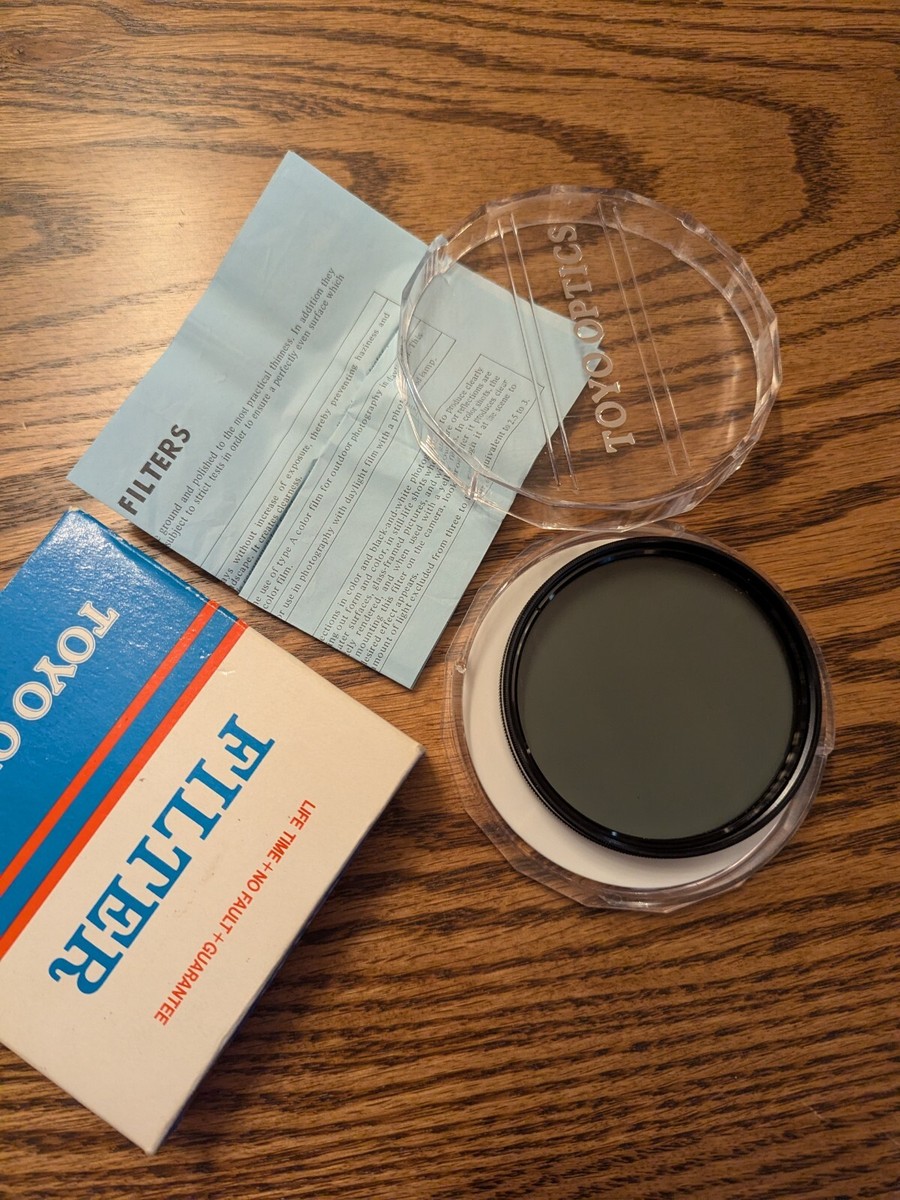
The effect is strongest at a 90-degree angle to the sun, which is worth remembering when choosing where to stand at a lakeshore rather than just picking the first open spot.
A Sturdy Tripod Matters More in Low Light
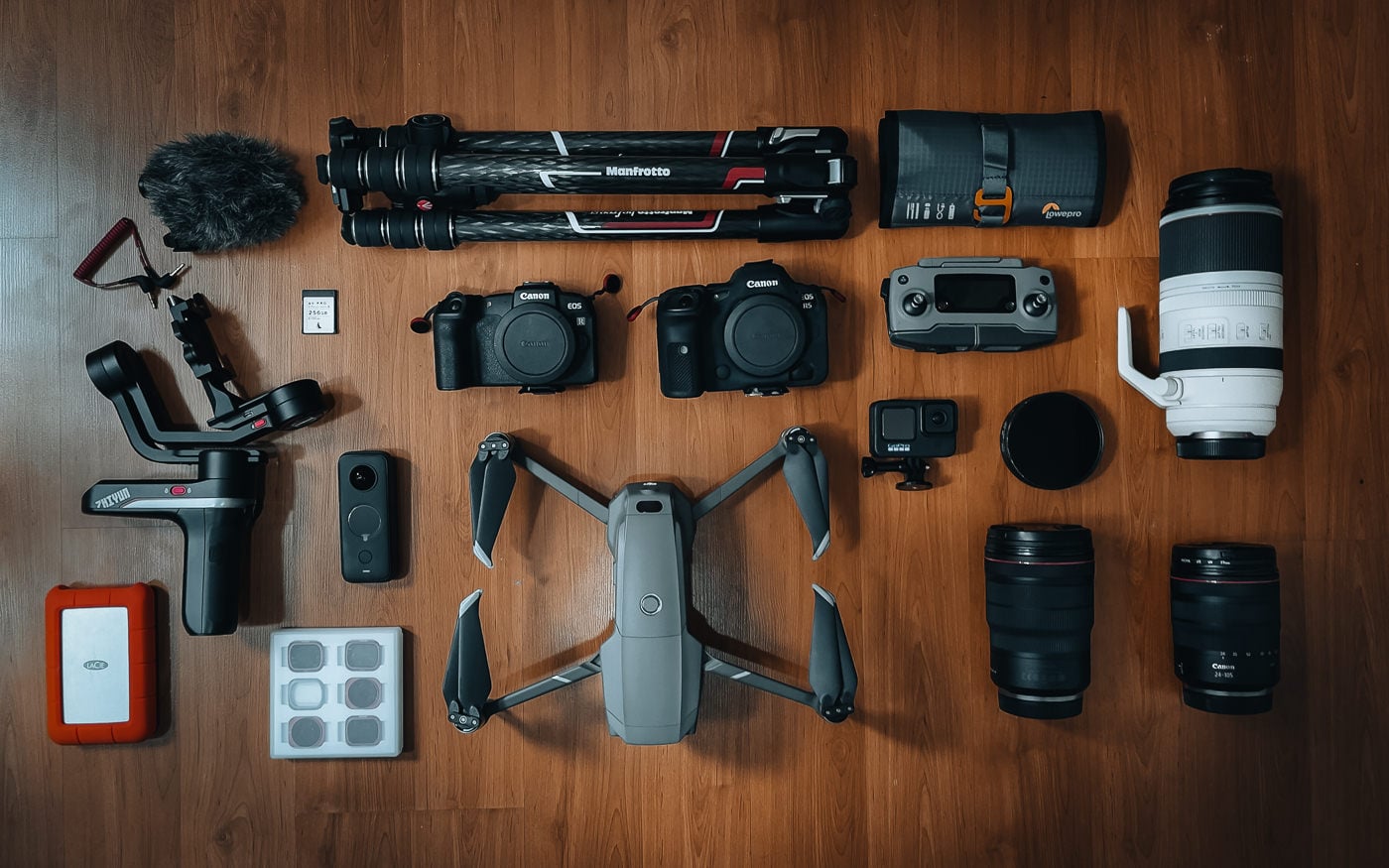
Sunrise and sunset, the two most reliable windows for good mountain light, both mean shooting in low light where a steady tripod becomes necessary rather than optional. A lightweight travel tripod is a reasonable compromise for a trip involving a lot of walking, even if it's less stable than a heavier studio model.
Wind is a real factor at exposed viewpoints, and hanging a weighted bag from the tripod's center hook adds stability without adding bulk to carry — a sandbag or even a rock from the site works just as well as a dedicated weight.
Weather Protection for Gear, Not Just for You
Mountain weather changes fast enough that a clear morning can turn into a sudden downpour within the hour, and camera gear doesn't handle that as well as a rain jacket does. A simple rain cover for the camera, kept in an easily accessible pocket rather than buried in a bag, gets used far more often than one packed away.
A microfiber cloth for lens condensation, which happens often when moving between a warm car and cold mountain air, is a small item that solves a surprisingly common problem that otherwise ruins an entire set of shots until it's noticed. A clear shot over Peyto Lake from Bow Summit only happened because the gear was dry and ready when a brief weather window opened up.
What a Well-Used Kit Actually Looks Like in the Field
Gear recommendations are easier to evaluate against a real example than a theoretical list — this shot looking out over a mountain valley relies on exactly the wide-angle-plus-polarizer combination described above, taken from a pull-off with limited time before the light shifted. A more remote stop, like this look back at Nordegg's older buildings, shows how the same core kit adapts to a completely different kind of scene.
Neither shot required specialized equipment beyond what's listed here — the difference came down to having the right basics ready rather than searching for one more piece of gear to solve a problem in the moment.
A Compact Gear Checklist
- Wide-angle lens (16-35mm or equivalent) as the primary lens
- Secondary longer lens for compression and isolated details
- Circular polarizing filter
- Lightweight travel tripod with a weight hook
- Rain cover kept accessible, not packed away
- Microfiber cloth for lens condensation
- Extra batteries — cold mountain air drains them faster than expected
Frequently Asked Questions
Do I need a full-frame camera for mountain landscape photography?
No — a crop-sensor camera with a good wide-angle lens produces strong results; sensor size matters less here than lens choice and light.
Why does cold weather affect camera batteries so much?
Cold temperatures reduce battery efficiency temporarily, which is why carrying spares and keeping one warm in an inner pocket helps on long cold mornings.
Is a polarizing filter necessary, or just nice to have?
For alpine lake photography specifically, it makes a large enough difference in color and glare that it's worth treating as essential rather than optional.
What's the most overlooked piece of gear for this kind of photography?
A simple rain cover — mountain weather changes quickly enough that it gets used more often than most people expect.