Packing for a multi-day road trip through Western Canada means preparing for a wider range of conditions than the trip's starting point might suggest. A warm morning in Calgary can give way to near-freezing temperatures at a mountain pass a few hours later, and the right packing list accounts for that shift rather than assuming the day's conditions will stay consistent throughout.
The following covers what actually earns a place in the car, based on the kind of range in terrain and weather this region is known for. Overpacking for every possible scenario isn't the goal either — the aim is a focused list that covers the realistic range this specific route presents, without turning the entire trunk into dead storage space for a long list of items that never actually end up getting used at any single point along the whole trip.
Layers Matter More Than Any Single Heavy Item
A system of light layers — a base layer, a mid-layer fleece or sweater, and a waterproof outer shell — adapts to temperature swings far better than one heavy jacket packed for the coldest expected moment of the entire trip. This matters especially at higher elevations, where temperature can drop noticeably compared to valley towns just a short drive away, sometimes by ten degrees or more within a single hour of driving uphill.
Packing for the coldest realistic morning, even in summer, prevents being caught unprepared at an early sunrise stop when temperatures are at their lowest point of the day. Gloves and a warm hat take up almost no space in a bag and make a noticeable difference during an early start when hands and ears are often the first things to feel the cold.
Footwear Needs to Handle Both Driving and Short Hikes
A single pair of broken-in hiking shoes or boots, comfortable enough for both short trailside walks and long stretches in the car, usually beats packing separate shoes for driving and hiking. Trying to pack for every possible activity often means more footwear than the trip actually needs, taking up valuable space that could go toward other gear.
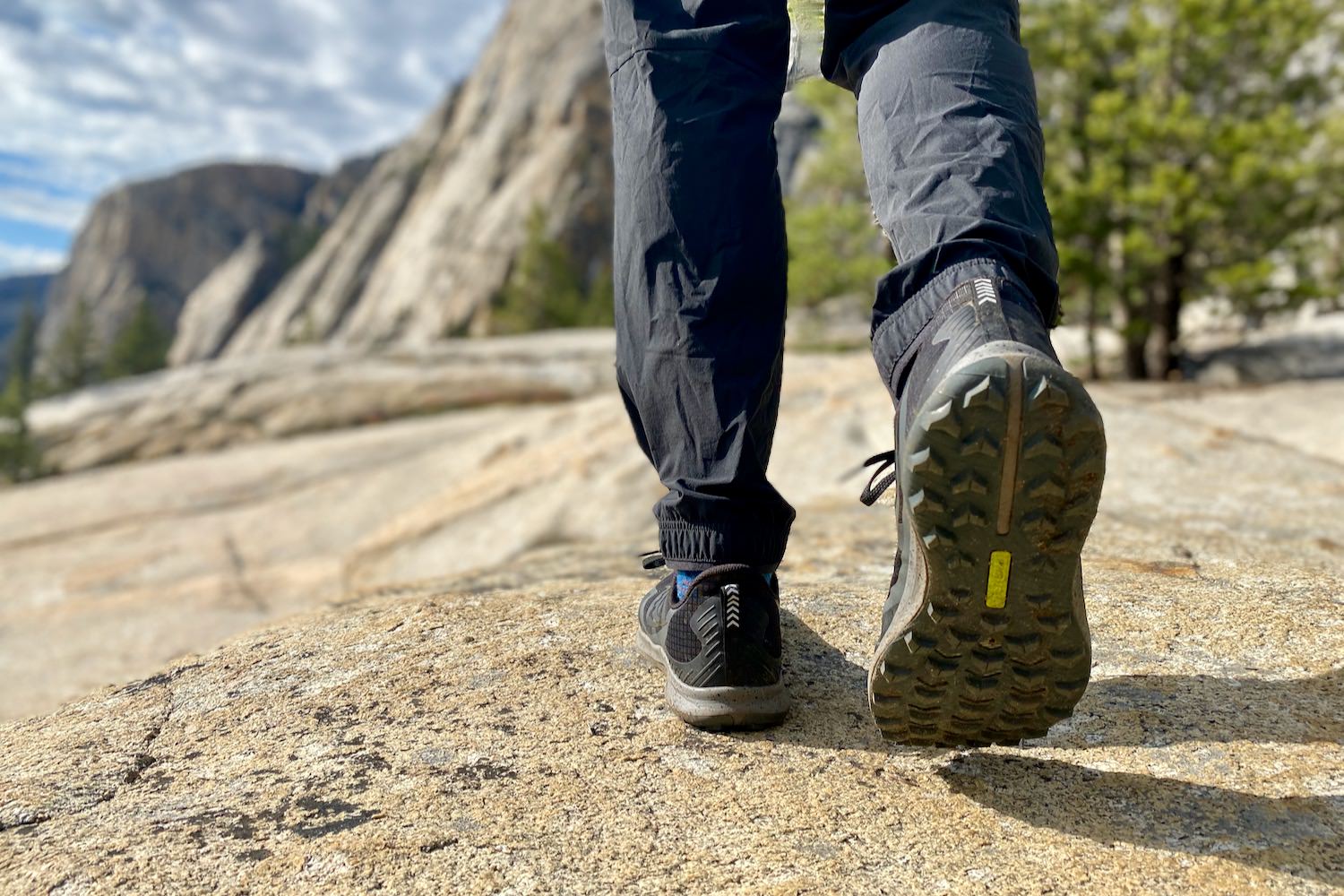
Wet or muddy trail conditions are common enough in this region that a pair of shoes that can get genuinely dirty, rather than ones meant to stay clean, removes one source of trip stress that doesn't need to exist in the first place.
Pack a Separate Bag for the Car, Not Just the Hotel
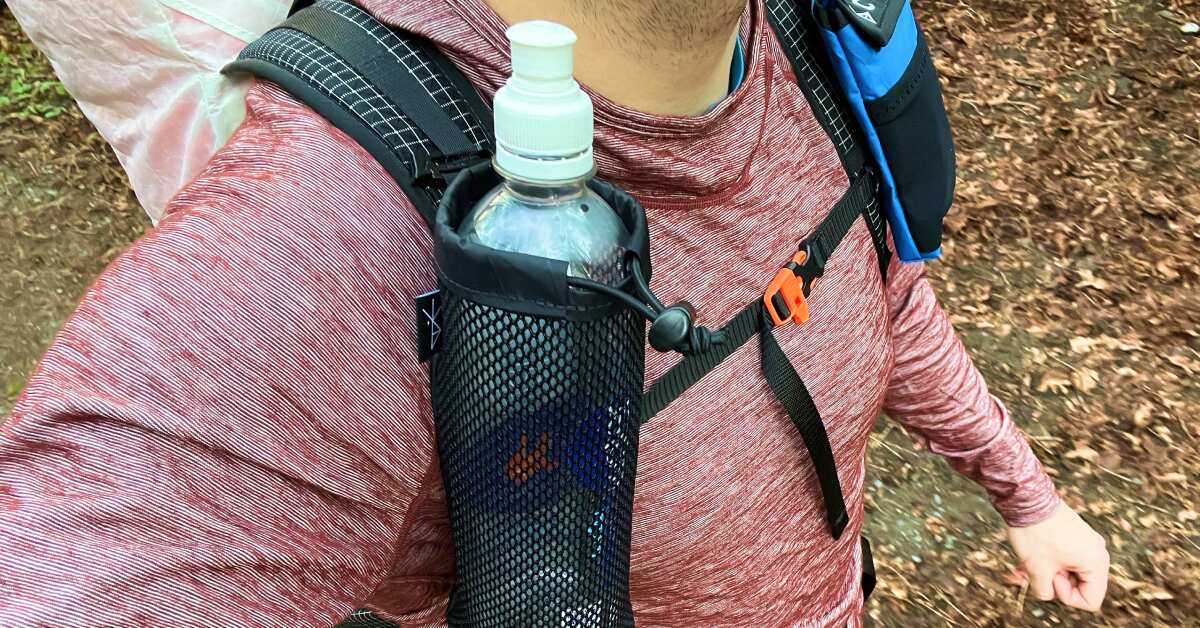
Keeping a small day bag in the car with water, snacks, a basic first aid kit, and a flashlight — separate from the main luggage that lives in the trunk — means not having to dig through everything at every stop. This bag stays accessible for the whole trip, not just unpacked once at a final destination, which matters on a trip with several short driving days rather than one long stretch.
A physical paper map as backup, even with phone navigation as the primary tool, matters more here than in most places, since cell coverage drops out entirely in long stretches of mountain highway, sometimes for well over an hour of continuous driving.
Don't Forget the Small Items That Ruin a Trip When Missing
A portable phone charger, a reusable water bottle, and sunscreen are easy to forget packing individually but each solve a real problem that comes up daily on a road trip like this. High-altitude sun exposure is stronger than it feels, even on a cool or overcast day, making sunscreen worth packing regardless of forecast.
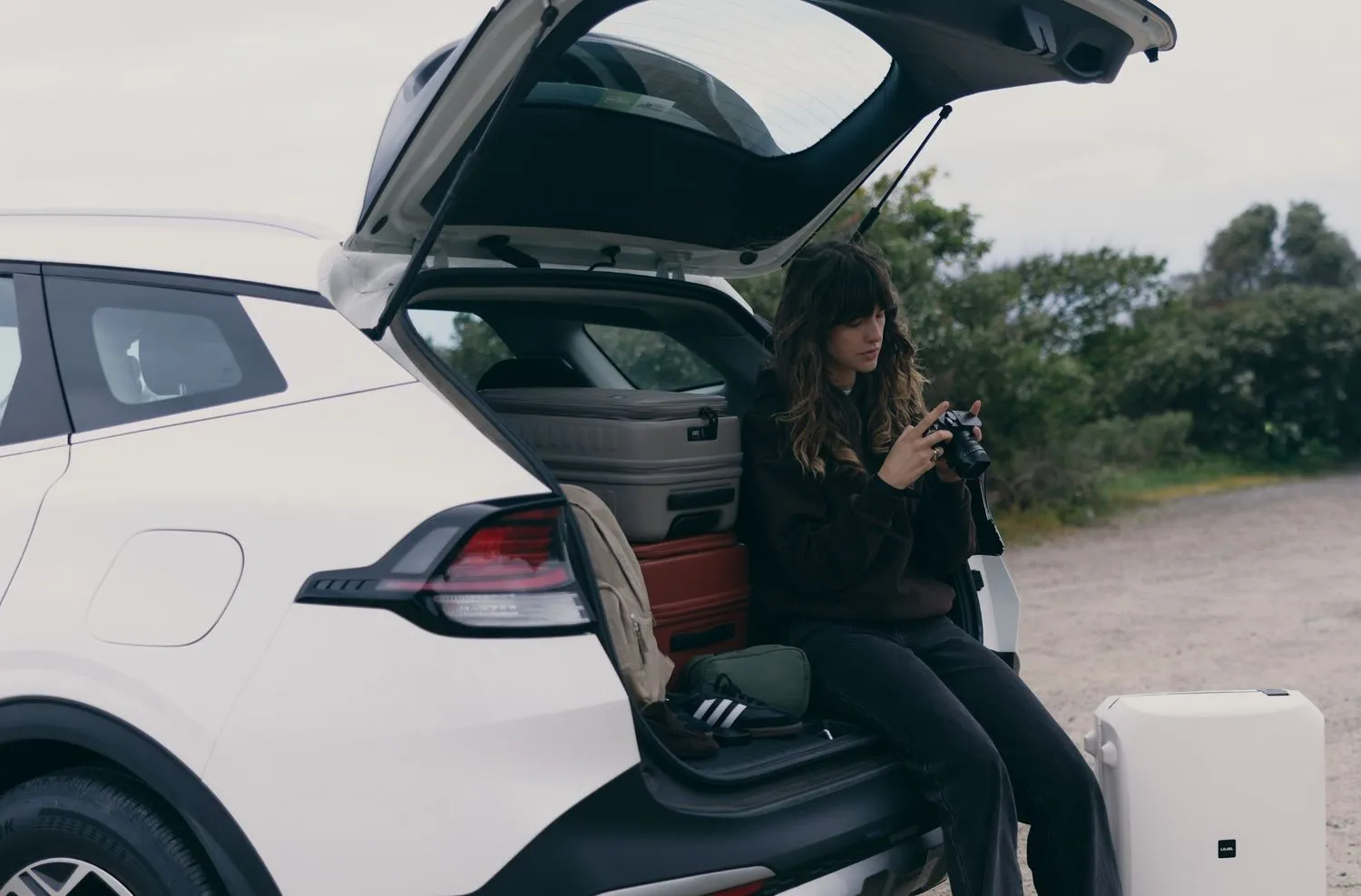
Extra memory cards and a spare camera battery belong on this list too for anyone planning to photograph the trip — running out of storage or power at a key viewpoint is a frustrating way to end what was otherwise a great day on the road. A detour like the walk through Johnston Canyon involves enough uneven, wet terrain that it's also worth double-checking footwear and camera protection specifically before setting out on that kind of stop.
What the Terrain Shift Actually Demands
The approach from the prairies makes the elevation and temperature change easy to underestimate — this view of the prairies of Alberta shows just how flat and warm the starting point of a trip like this can be, with no visual hint of the colder conditions waiting a few hours further west. A stop in a quieter mountain town, like the older buildings around Nordegg, sits somewhere in between those two extremes and is worth keeping in mind when deciding how many warm layers actually make the cut.
Packing for the coldest point on the route, not the warmest, remains the safest default for a trip spanning this much elevation change.
A Packing Checklist by Category
- Clothing: base layer, mid-layer fleece, waterproof shell, broken-in hiking shoes
- Car bag: water, snacks, basic first aid kit, flashlight, paper map
- Daily essentials: portable charger, reusable water bottle, sunscreen
- Photography: spare batteries, extra memory cards, lens cloth
- Weather buffer: pack for the coldest realistic morning, even in summer
Frequently Asked Questions
Do I really need warm layers for a summer road trip in this region?
Yes — mountain elevations can be significantly colder than valley towns, especially at sunrise, regardless of the season.
Is a paper map actually necessary with phone GPS available?
It's a reasonable backup given how often cell coverage drops out along mountain highways in this region.
What's the most commonly forgotten item on this kind of trip?
Sunscreen is frequently skipped because the weather feels cool, even though high-altitude sun exposure is stronger than it feels.
Should I pack separate shoes for driving and hiking?
One comfortable, broken-in pair that handles both usually works better than packing multiple pairs for a multi-day trip.