Most road trip itineraries get built around driving distances and opening hours, with photography squeezed in wherever it fits. Flipping that order — planning the day around where you'll be during golden hour — usually produces far better results for anyone prioritizing photography on the trip over simply covering distance.
This means thinking differently about scheduling than a typical road trip, and it's worth understanding why before committing an itinerary to it. The shift in mindset matters more than any single specific technique, since the planning approach itself shapes every other decision that follows after it.
Work Backward From Sunrise and Sunset Times
Checking sunrise and sunset times for each day of the trip, then planning which location you want to be at during those windows, reverses the usual planning process in a useful way. This might mean driving part of a route the evening before, specifically to be positioned at the right spot the next morning rather than arriving mid-morning after breakfast. It requires accepting a less convenient schedule in exchange for better light, which is a trade worth making deliberately rather than by accident.
Sunrise and sunset times shift meaningfully across a multi-week trip or across different latitudes, so checking daily rather than relying on a single assumption from the start of the trip avoids missing the actual window. An early start across the prairies of Alberta toward the mountains is a good example of this kind of advance positioning paying off once the light actually arrives.
Golden Hour Locations Need a Backup Plan
Weather can block a planned golden-hour shoot with little warning, so having a secondary location in mind for the same time window — ideally one with different weather tolerance, like a covered viewpoint versus an open ridge — keeps a cloudy morning from being a wasted one.
This backup doesn't need to be as spectacular as the primary plan; it just needs to make use of the window rather than losing it entirely to bad luck, which keeps a trip's photography output steadier across days with mixed weather rather than depending entirely on one or two perfect mornings that may never materialize.
Midday Becomes Travel and Rest Time
With sunrise and sunset treated as the priority windows, the middle of the day naturally becomes the time for driving between locations, eating, and resting — activities that don't depend on dramatic light anyway. This structure actually reduces stress compared to trying to photograph well in flat midday light and still make good time on the road.
It also means midday stops can prioritize practical needs, like fuel and food, without feeling like missed photography opportunities.
Accept That Some Days Won't Cooperate
Building an entire itinerary around golden hour light assumes generally good weather, and some mornings or evenings simply won't deliver regardless of planning. Treating each golden-hour window as a chance rather than a guarantee keeps a string of overcast days from feeling like a failed trip.
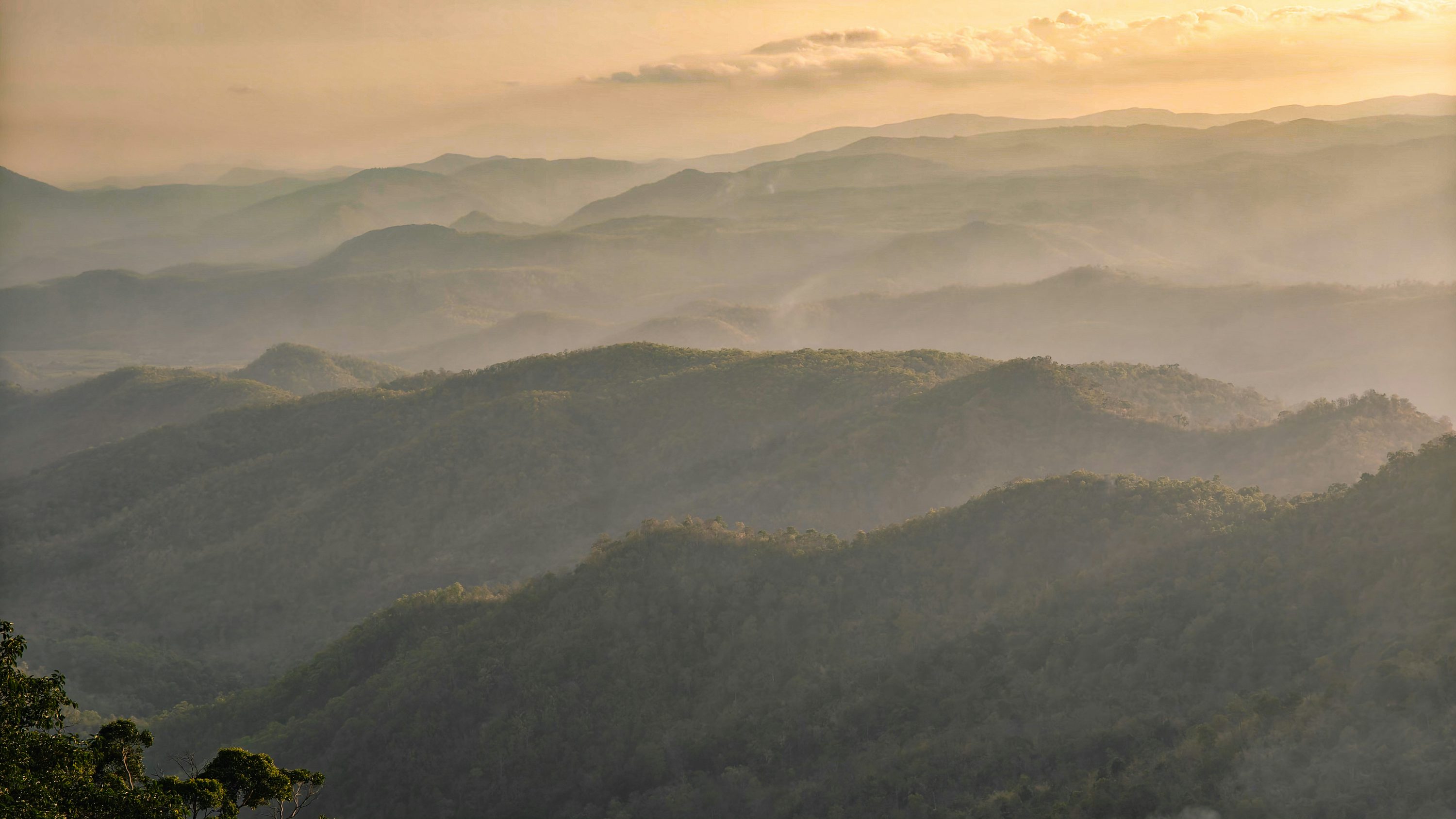
A multi-day trip usually provides enough windows that losing one or two to weather doesn't significantly change the overall outcome, especially if the itinerary already includes more locations than are strictly necessary. This view over a mountain valley came from a day that started out looking unpromising, which is a useful reminder not to write off a morning too early.
A Real Example of a Golden-Hour Payoff
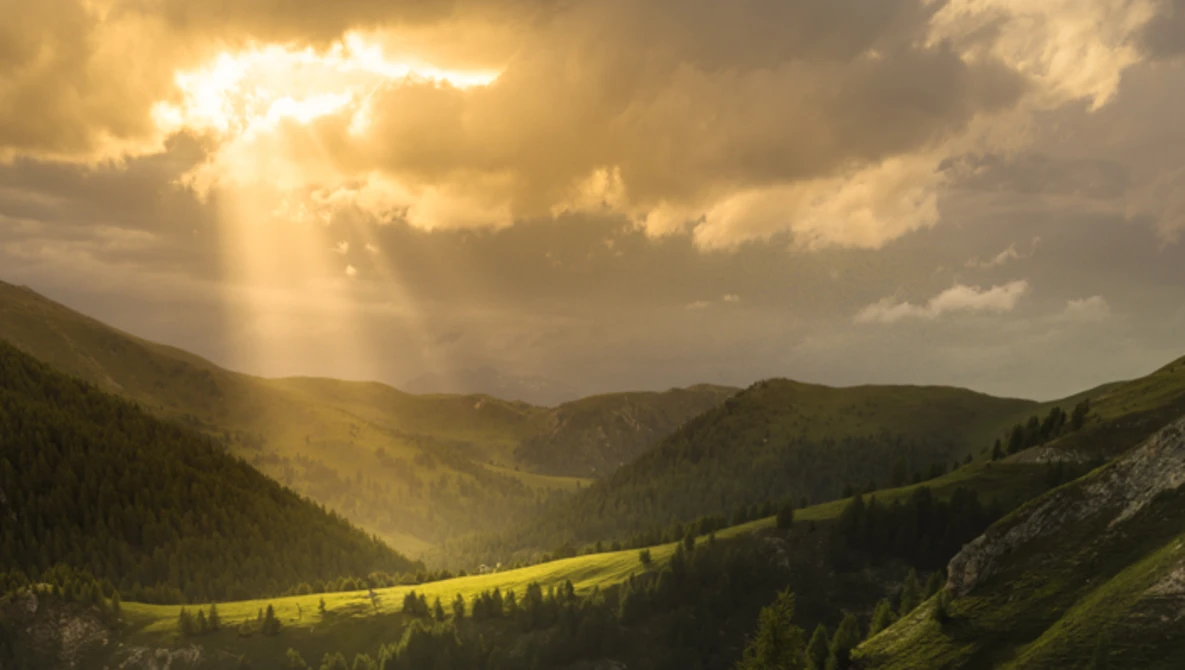
This shot looking out over Peyto Lake from Bow Summit only works because of when it was taken — the same viewpoint at midday loses most of the color that makes the photo worth stopping for in the first place. It's a useful reminder of how much a single timing decision can change the outcome at a spot that's already scenic regardless of the hour.
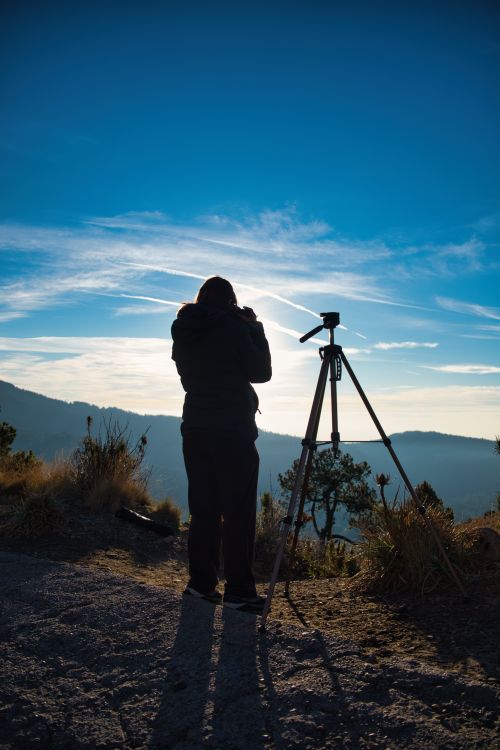
Planning backward from moments like this one, rather than treating golden hour as a nice bonus if it happens to align with the schedule, is what actually produces that kind of result consistently.
What to Do During the Hours in Between
The stretch between morning and evening golden hour isn't dead time on a well-planned trip — it's when driving, meals, gear maintenance, and casual sightseeing without photography pressure all fit naturally. Treating this block as useful rather than wasted changes how the whole day feels, rather than counting down to the next golden-hour window.
Some of the genuinely very best candid, documentary-style shots from an entire trip actually come from this unplanned middle stretch, precisely because there's genuinely no pressure at all to capture one specific, carefully planned, dramatic composition at a single pre-chosen location somewhere along that day's entire planned route.
A Quick Planning Reference
- Check sunrise/sunset times daily, not once at the start of the trip
- Position yourself the evening before for an early-morning priority location
- Keep a backup spot in mind in case weather blocks the primary plan
- Treat midday as travel, food, and rest time by default
Frequently Asked Questions
How far in advance should I plan around sunrise and sunset times?
Checking daily, a day or two ahead, works better than planning the whole trip around a single assumption made before departure.
What should I do if weather ruins a planned golden-hour shoot?
Having a backup location in mind for the same window, with different weather tolerance, keeps the morning or evening from being wasted entirely.
Does this approach mean skipping sightseeing that isn't about photography?
No — midday becomes the natural time for non-photography activities like meals, driving, and general sightseeing that doesn't depend on dramatic light.
Is it worth driving somewhere the evening before just to be positioned for sunrise?
For a priority location, yes — arriving the morning of often means missing the earliest and most dramatic light.