A clean mirror reflection on a mountain lake is one of the most recognizable shots in landscape photography, and also one of the most dependent on conditions outside the photographer's control. Understanding what actually produces a strong reflection makes it possible to plan for it rather than hoping to get lucky on a given morning.
The techniques below focus specifically on reflections, assuming the broader timing and gear advice for alpine lake photography is already in place. Getting this specific shot right usually comes down to a handful of decisions made in the field, not expensive equipment.
Still Water Is the Non-Negotiable Requirement
Even light wind breaks up a reflection enough to blur it, which is why early morning — before thermal winds typically pick up — remains the most reliable window for this specific shot. Checking a lake's surface before setting up, rather than assuming conditions will hold, saves wasted time on a day when the water simply isn't cooperating. A quick look from the parking area or trailhead, before carrying gear all the way to the shore, can save a wasted trip down to the water on a windy morning when conditions clearly aren't going to cooperate.
Sheltered coves or bays, protected from wind by surrounding terrain, often hold still water longer into the morning than open sections of the same lake. Johnston Canyon's smaller pools, sheltered by canyon walls, often stay calm even when larger open lakes nearby are already catching wind.
Composition Should Balance What's Above and Below
A reflection shot works best when there's a clear, interesting subject to reflect — a distinct peak, not just a general mountain backdrop — and the composition gives roughly equal visual weight to the real subject and its reflection. Centering the horizon line, which is normally discouraged in landscape photography, actually works well specifically for symmetrical reflection shots, since the symmetry itself becomes the point of the composition rather than a rule being broken.
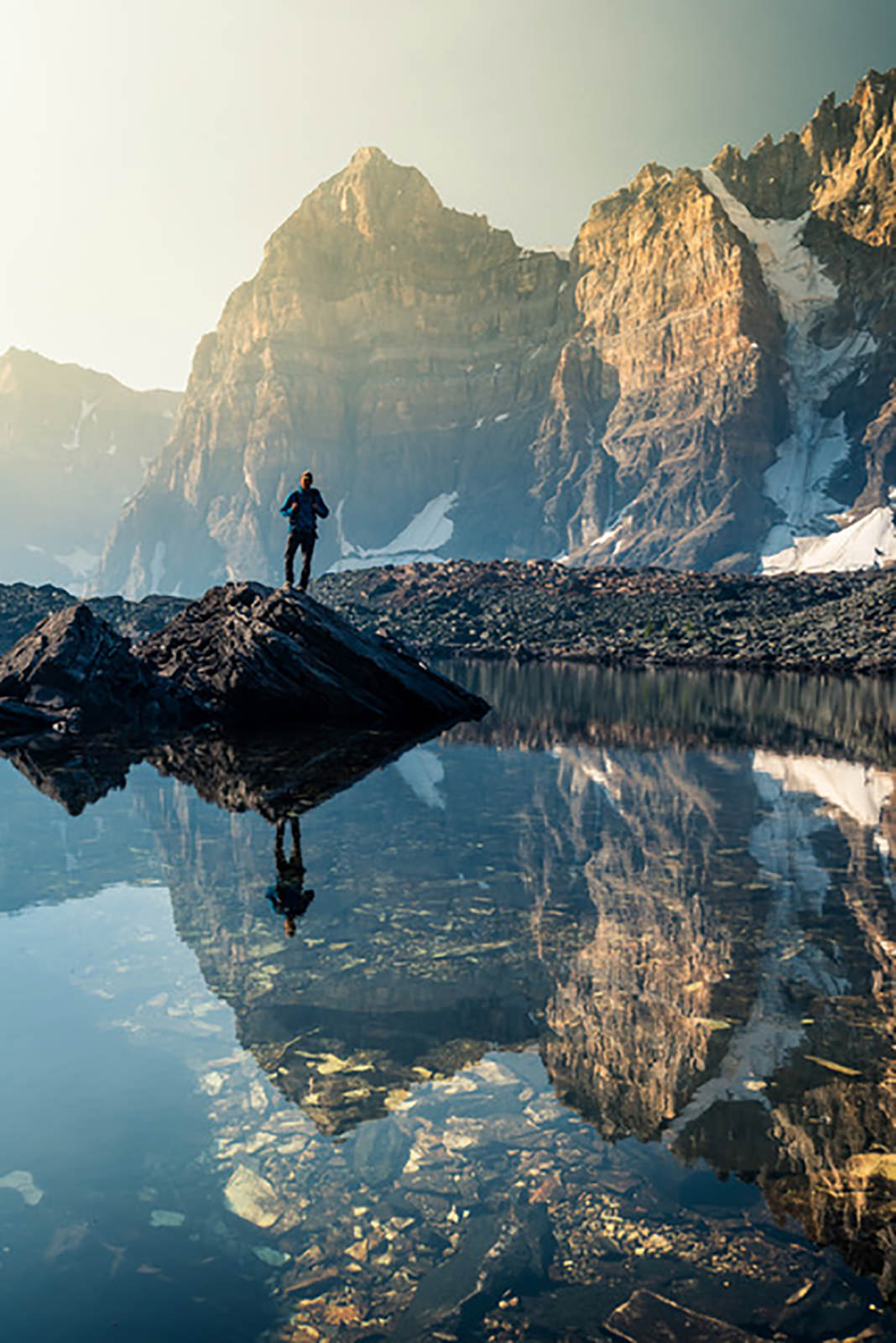
Including a small foreground element, like a rock breaking the water's surface, adds depth to what can otherwise be a very flat, symmetrical composition.
Polarizing Filters Require a Trade-Off Here
A polarizing filter that's excellent for cutting glare and boosting water color can also reduce or eliminate the very reflection you're trying to capture, since the filter's job is partly to remove reflected light. Rotating the filter to find the point that keeps some reflection while still managing glare on the rest of the scene takes some experimentation on location.
In some cases, removing the filter entirely produces a better reflection shot, even at the cost of slightly more glare elsewhere in the frame.
Small Ripples Can Still Work in Your Favor
A reflection doesn't need to be a perfect mirror to be effective — slight ripples can create an impressionistic, painterly version of the reflection that some photographers prefer over a perfectly still one. Treating any non-perfect condition as an automatic failure overlooks compositions that work differently but still succeed.
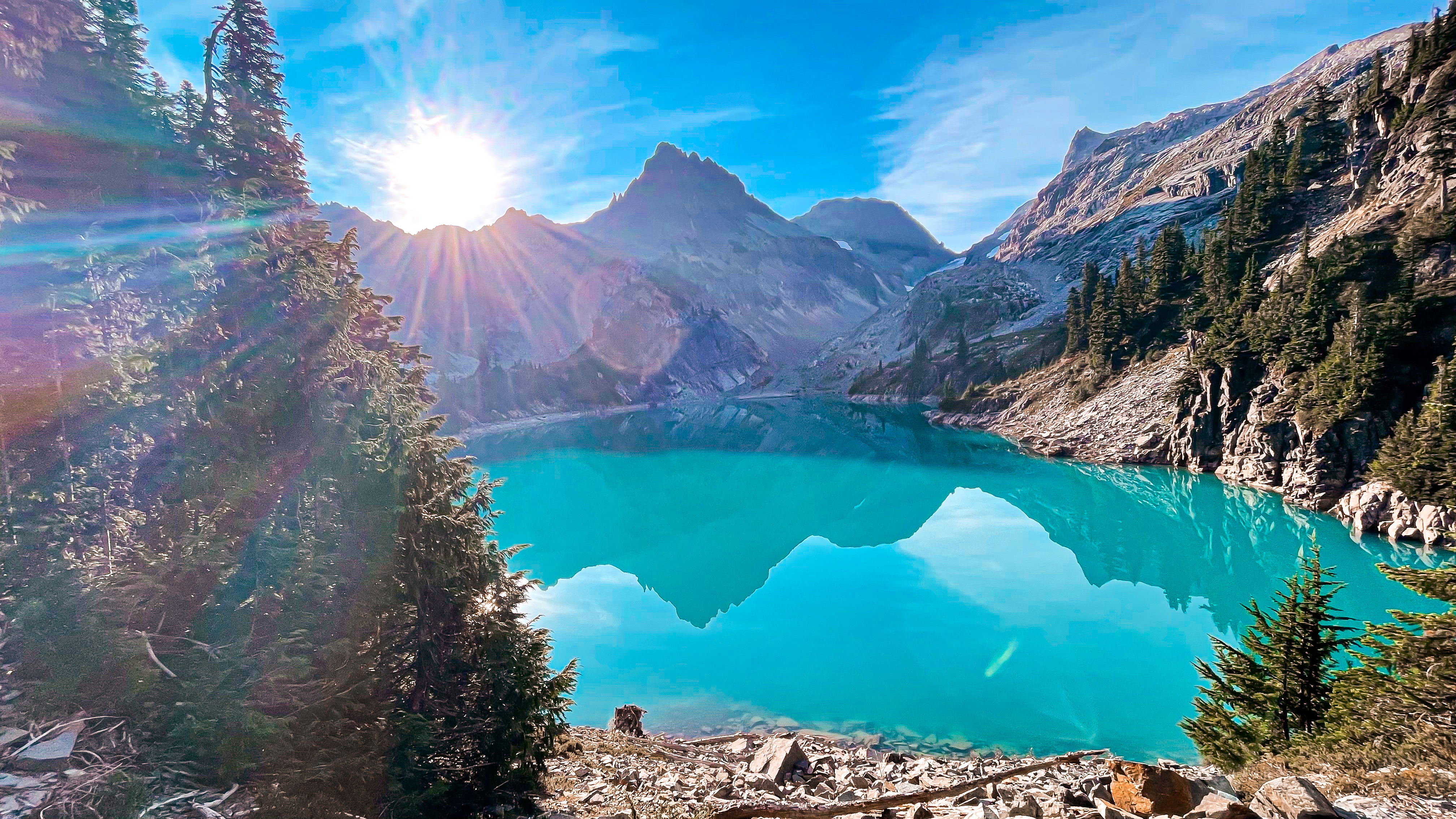
This is particularly useful on days when truly still water isn't available during the visit, turning a less-than-ideal condition into a different kind of shot rather than no shot at all. This broader view over a mountain valley shows how a scene can still hold together well even without a textbook-perfect mirror surface anywhere in frame.
An Example Worth Studying Before You Shoot
This view from Bow Summit over Peyto Lake is a useful reference for how much the water's color depends on the window described above — the same lake photographed at a different hour looks noticeably different in both color saturation and reflection quality. Comparing a known example like this against conditions on the day of a visit helps calibrate expectations before setting up.
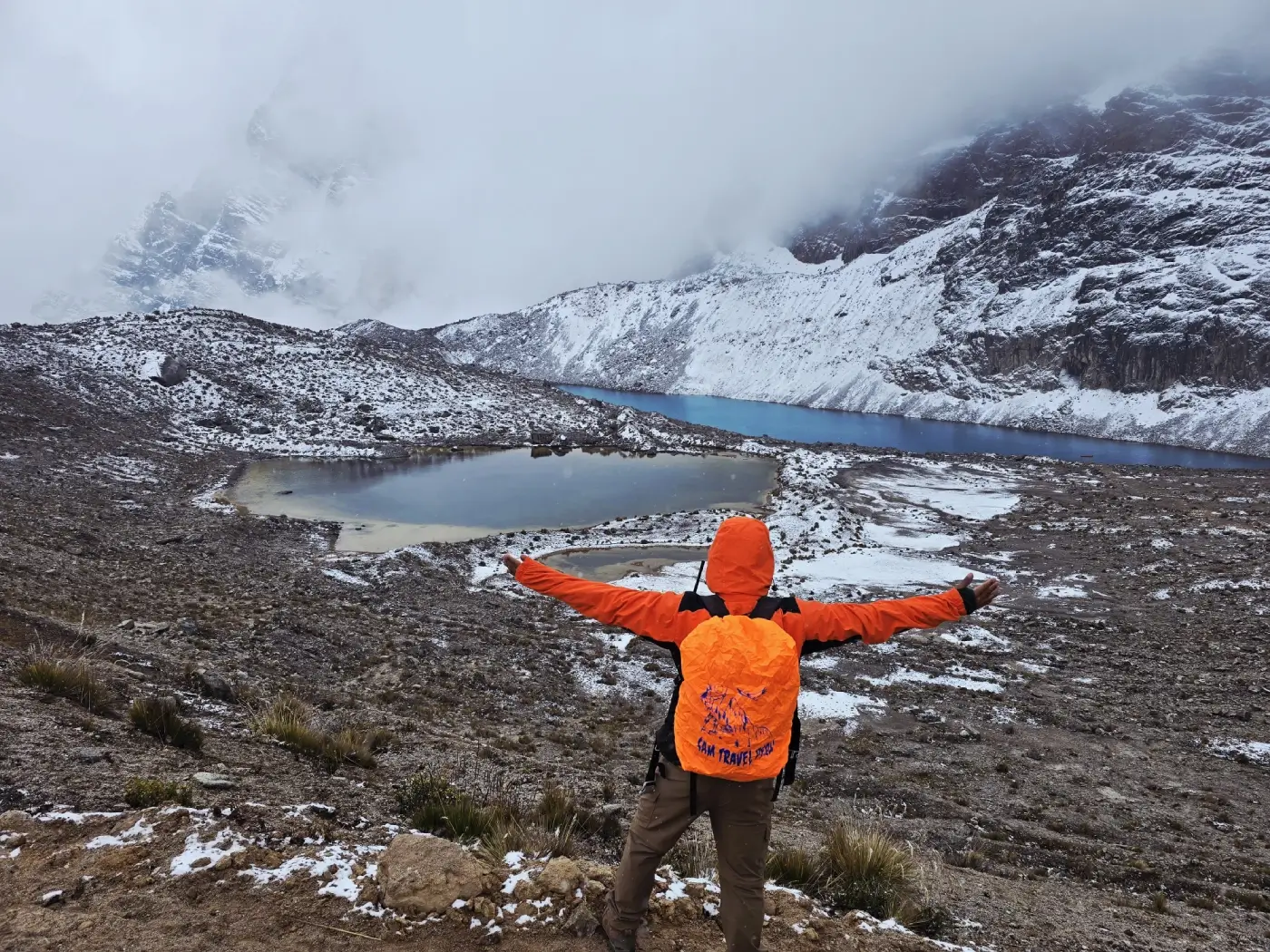
It's also worth remembering that even a well-known lake like this one can disappoint on a given morning if wind or cloud cover doesn't cooperate, which is exactly why timing matters more than the destination itself.
Why Some Photographers Prefer Imperfect Reflections
A perfectly still mirror reflection, while technically impressive, can sometimes feel almost too clean or artificial compared to a scene with a bit of natural movement in the water. Some photographers deliberately seek out light ripple conditions for this reason, treating the slightly broken reflection as a stylistic choice rather than a failure to achieve stillness.
There's no universally correct answer here — it comes down to the mood a particular photographer is after, and both approaches can still produce valid, genuinely compelling and memorable results from the exact same general scene.
A Quick Reflection-Shot Checklist
- Arrive within an hour or two of sunrise, before wind typically picks up
- Check for a sheltered cove if the main lake surface already shows ripples
- Choose a distinct subject to reflect, not just a general mountain backdrop
- Experiment with the polarizer rotation rather than leaving it at one setting
- Don't discard a shot just because the reflection isn't perfectly still
Frequently Asked Questions
What time of day gives the best chance at a clean lake reflection?
Early morning, generally within an hour or two of sunrise, before wind typically picks up through the day.
Should I use a polarizing filter for reflection photography?
It's a trade-off — the filter can reduce the reflection itself, so experimenting with the rotation or removing it entirely sometimes works better.
Does light wind completely ruin a reflection shot?
Not necessarily — slight ripples can create a different, more impressionistic version of the reflection rather than eliminating it entirely.
What makes a reflection composition stronger?
A clear, distinct subject being reflected, balanced visual weight between the real subject and its reflection, and often a small foreground element for depth.