A road trip through the Canadian Rockies lives or dies on timing and route order, not on how much ground you try to cover. The distance between Calgary and Jasper looks short on a map, but the drive is full of pull-offs worth an hour each, and trying to rush it turns a spectacular route into a tiring one that leaves little room to actually enjoy the scenery along the way.
The following covers how to actually structure the trip — when to go, which road to treat as the spine of the itinerary, and where the detours are worth the extra time. None of this requires specialized planning skills, just a willingness to build the schedule around the region's actual geography rather than around a generic road trip template borrowed from somewhere flatter.
Pick a Season Before You Pick a Route
Late June through September is the realistic window for most of this region's high-elevation roads and trails, since snow can linger into early summer at higher passes and some sections close entirely by October. Shoulder season (early June or mid-September) trades a slightly higher risk of weather for far thinner crowds at the well-known viewpoints, which is a worthwhile trade for anyone who values a quieter visit over guaranteed sunshine.
Winter road trips are possible but change the entire plan — several key stretches require winter tires or chains, and some pull-offs become inaccessible. Unless winter photography is specifically the goal, most first-time visitors get more out of a summer or early-fall trip.
The Icefields Parkway Is the Spine of the Trip, Not a Detour
Highway 93, running between Lake Louise and Jasper, is where most of the trip's iconic stops sit — Peyto Lake, the Columbia Icefield, and dozens of unnamed pull-offs with views that rival the famous ones. Treating this road as the main event, rather than a connector between two towns, changes how much time gets budgeted for the day.
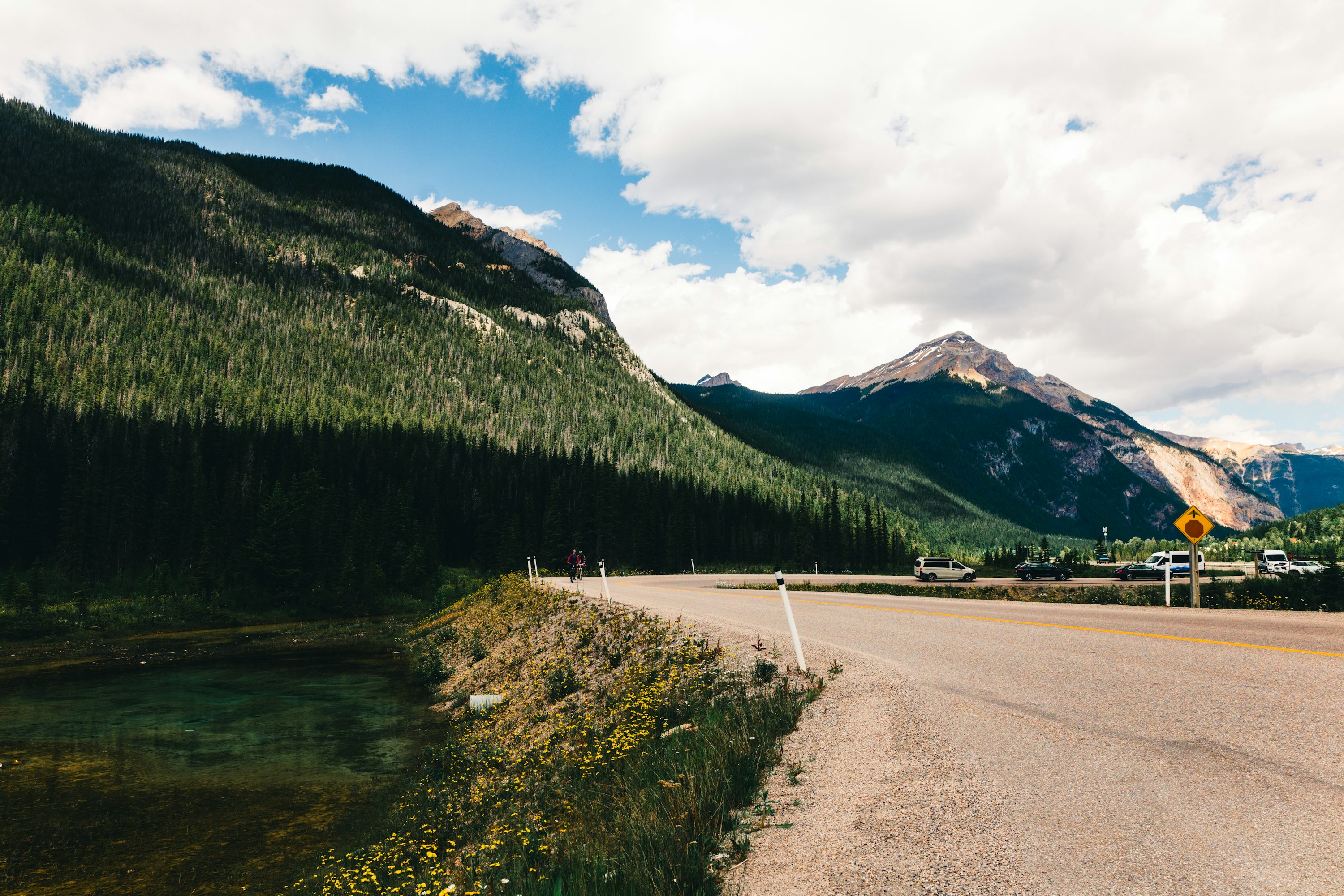
A single pass of the full Parkway with regular stops easily takes a full day. Trying to combine it with a long Banff-to-Jasper drive on the same day as other sightseeing usually means skipping the stops that make the road worth driving in the first place.
Build the Itinerary Around Two or Three Base Towns
Banff, Lake Louise, and Jasper work well as overnight bases, each putting a different set of trailheads and viewpoints within a short drive. Trying to base out of just one town for the entire trip means long daily drives eating into actual sightseeing time.
Moving bases every two to three nights, rather than every single night, strikes a reasonable balance — enough time to actually explore each area without spending half the trip packing and unpacking.
Booking accommodations well in advance matters more here than in most road trip regions, since the main towns have limited capacity relative to how many visitors arrive during peak summer months. Waiting until a week before departure to book Banff or Lake Louise for a July trip often means settling for options much further from the areas actually worth visiting.
Leave Room for Weather to Change the Plan
Mountain weather shifts fast, and a clear morning can turn into fog or rain by early afternoon, which matters more here than in most road trip destinations since the main attraction is visibility. This is especially true at higher elevations along the route, where conditions can differ sharply from what's happening in the valley towns at either end. Building one flexible day into the itinerary, with no fixed plan, gives somewhere to move a rained-out viewpoint visit without losing it entirely.
Checking conditions the night before rather than days in advance also avoids planning a key stop around a forecast that's likely to change by the time you arrive. A clear-weather view from Bow Summit over Peyto Lake is the kind of payoff that makes keeping a flexible backup day worthwhile when an earlier attempt gets rained out.
What the Drive Actually Looks Like Along the Way
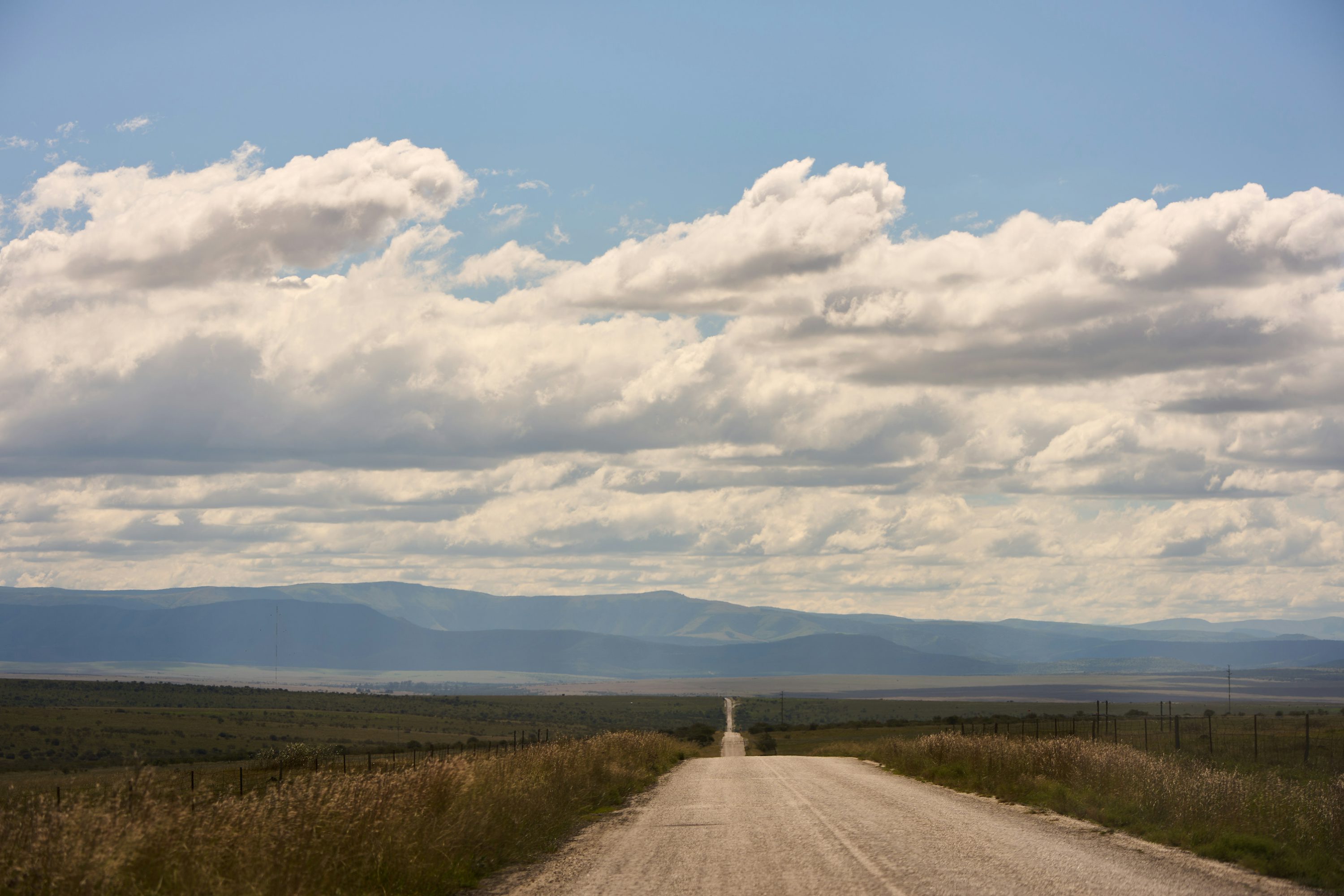
The prairies east of the mountains give way to foothills and then peaks gradually enough that the change is easy to miss if you're not watching for it — a useful reminder to start paying attention to the scenery well before reaching the official park boundary. A look at the prairies of Alberta gives a sense of just how flat the approach is before the mountains rise up ahead.
Side roads like the Bow Valley Parkway, running parallel to the main highway near Banff, often get overlooked in favor of the faster route, even though a stop at Johnston Canyon along that slower road is one of the more rewarding detours in the entire area.
A Simple Route Structure to Adapt
| Base | Nights | Focus |
|---|---|---|
| Banff | 2-3 | Bow Valley Parkway, Johnston Canyon, town itself |
| Lake Louise | 1-2 | Lake Louise, Moraine Lake, nearby trailheads |
| Icefields Parkway (driving day) | 1 | Peyto Lake, Columbia Icefield, pull-offs |
| Jasper | 2 | Maligne Lake, Jasper townsite |
Frequently Asked Questions
How many days do you need for a Canadian Rockies road trip?
Seven to ten days covers the main highlights at a reasonable pace; shorter trips work but require cutting one of the base towns.
Is the Icefields Parkway worth driving if you've already seen photos of it?
Yes — photos rarely capture the scale, and the pull-offs between the famous stops often turn out to be just as memorable.
What's the biggest planning mistake for this route?
Underestimating how long the Icefields Parkway takes with stops, which then eats into time planned for Banff or Jasper.
Do you need a reservation system to visit Moraine Lake or Lake Louise?
Parking and access rules at the most popular lakes change often and are worth checking close to the trip date rather than assuming last year's rules still apply.