Banff National Park shows up constantly in travel photography, and it's easy to assume the appeal is just the handful of famous lakes everyone's already seen photos of. The actual draw runs deeper than that — a density of accessible, varied scenery within a relatively small area that's hard to match elsewhere in North America, let alone within a single national park.
Understanding what specifically makes this park work so well for photography helps explain why it keeps pulling people back for more than a single trip. The reasons go well beyond what fits into a single famous photo, which is part of why repeat visits rarely feel redundant even after several trips to the same general region.
A Rare Density of Accessible Viewpoints
Many of Banff's most striking views sit within a short walk or a quick drive from a parking area, which isn't true of comparable scenery in more remote wilderness areas that require multi-day backcountry access. This accessibility means a single day can realistically include several dramatically different scenes.
That density also means less time spent traveling between locations and more time actually shooting, which matters for anyone working within a limited trip schedule. A comparable amount of scenery in a more remote range might require days of backcountry travel just to reach a single comparable viewpoint, which simply isn't realistic for most visitors working with a limited vacation schedule.
The Light Changes Constantly With the Terrain
Banff's mix of peaks, valleys, and water creates constantly shifting light throughout the day, as shadows move across different features at different times. The same viewpoint can look completely different at 7am, noon, and 6pm, which gives a reason to revisit a location rather than treating it as a one-time stop checked off a list and never seen again.
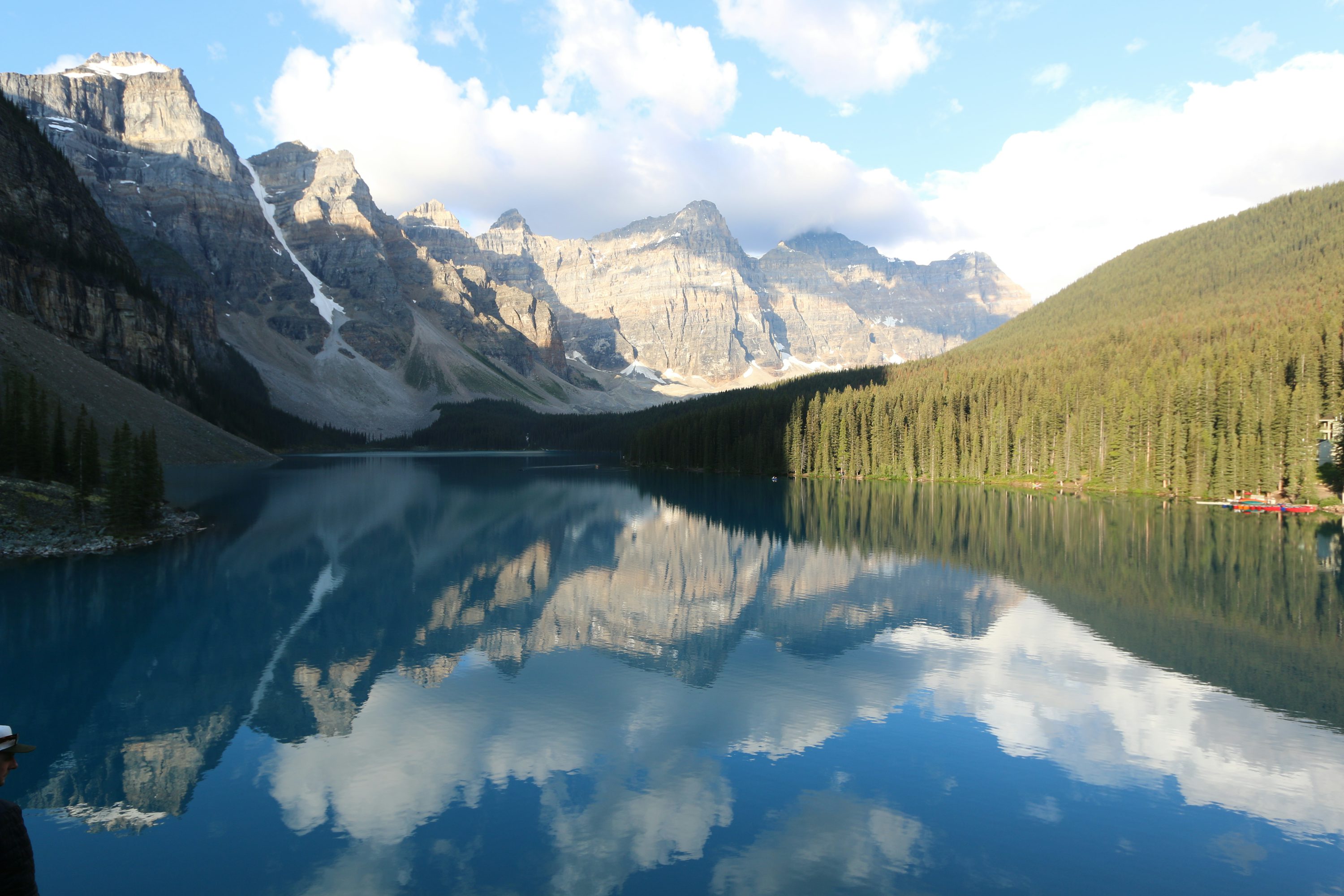
This variability rewards photographers who stay in the area for several days over those passing through for a single afternoon, since the park reveals different moods depending on when you're there to see them.
Johnston Canyon Shows the Park's Range Beyond Lakes
While the park's lakes get most of the attention, areas like Johnston Canyon demonstrate a different kind of scenery entirely — narrow limestone canyons, waterfalls, and catwalk trails that offer compositions nothing like the open lake views Banff is best known for. This range is part of what keeps the park interesting beyond a single signature shot, and it's one of the main reasons repeat visitors keep finding new compositions even after multiple trips to the same general area.
Seeking out this kind of variety, rather than only chasing the most-photographed lakes, tends to produce a more distinctive set of images from a trip.
Accessibility Comes With Real Crowds
The same accessibility that makes Banff appealing for photography also means popular spots get genuinely crowded, especially in July and August — a trade-off worth planning around rather than being surprised by. Early morning visits solve much of this, since crowd levels at a lake like Moraine Lake can look completely different at sunrise versus midday.
Shoulder-season visits, or simply shifting a day's schedule earlier, make the difference between a frustrating crowd and a near-empty viewpoint at the same exact location. An early-morning view from Bow Summit over Peyto Lake, well off the main Banff townsite, shows what's available to anyone willing to drive a little further from the busiest spots.
Banff's Approach Is Part of the Appeal
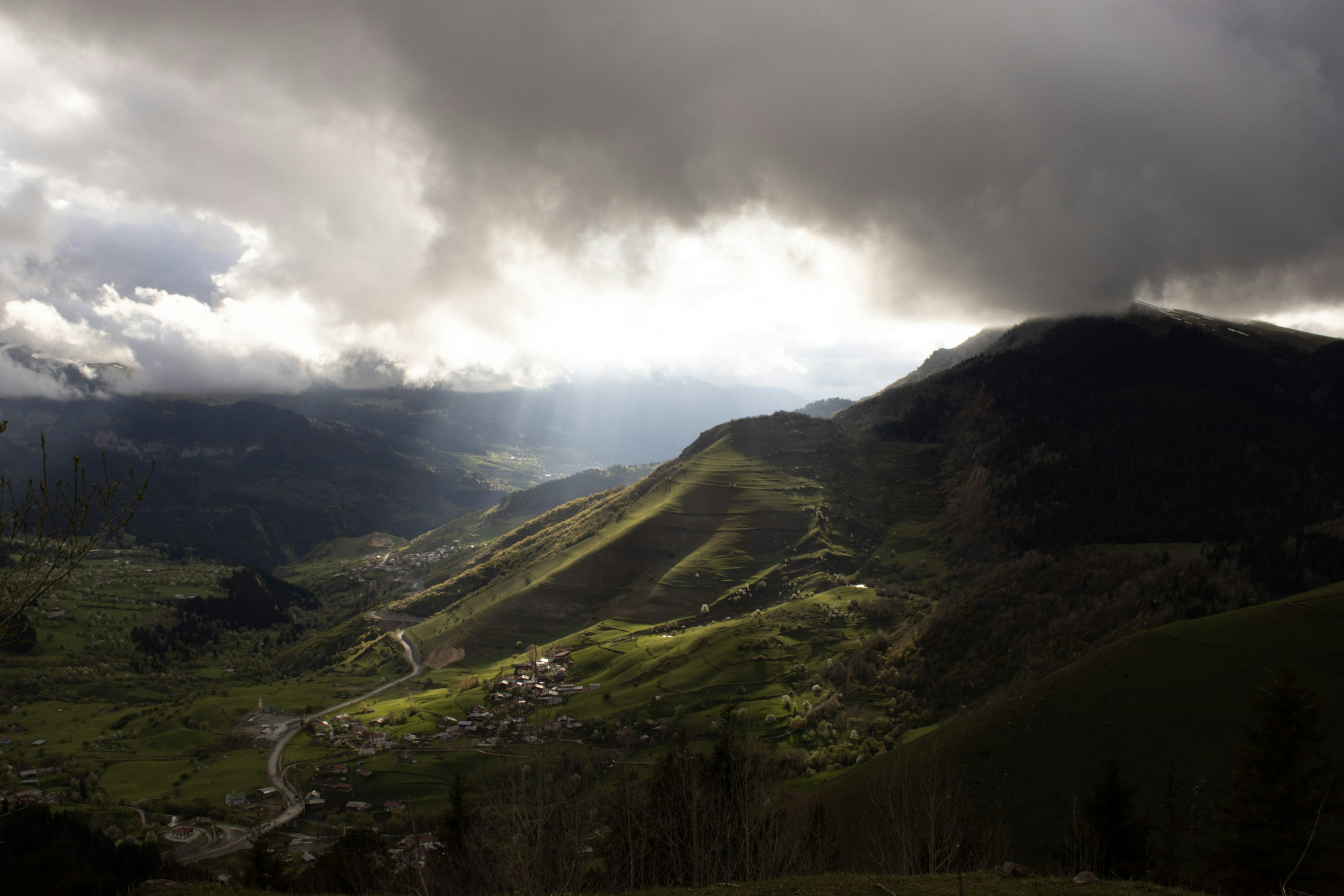
The drive toward Banff from the east sets up the whole experience, as the flat prairies of Alberta give way gradually to foothills and then the peaks the park is known for. That contrast is part of why the park feels so striking on arrival, regardless of how many photos of it you've seen beforehand.
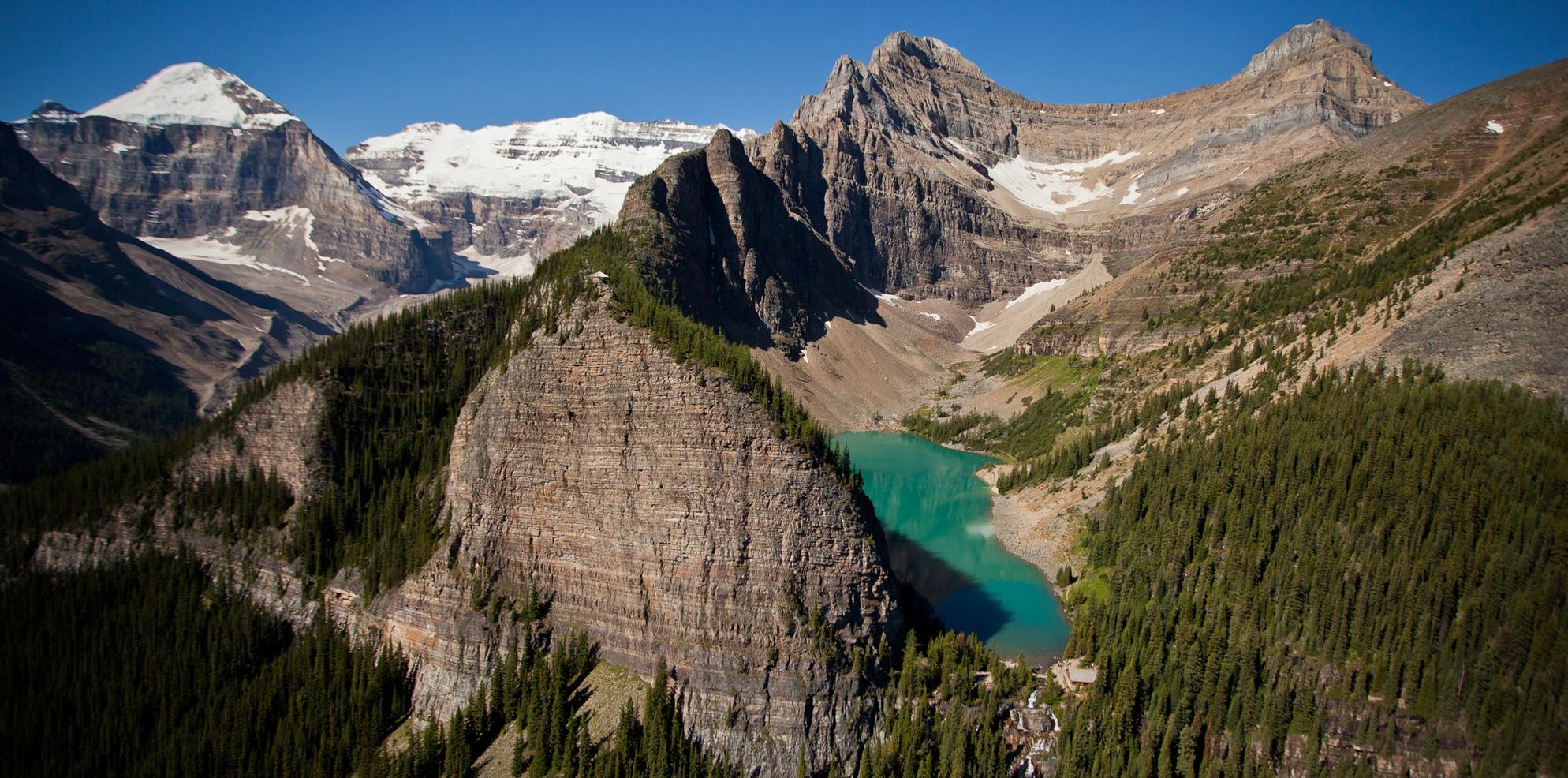
A slower route into the area, like the detour through Johnston Canyon, extends that sense of arrival rather than rushing straight to the most famous lakes first.
What Sets Banff Apart From Similar Destinations
- High density of accessible viewpoints within a compact area
- Constantly shifting light across varied terrain, not just one type of view
- Range beyond lakes, including canyons, waterfalls, and historic townsites
- Real trade-off between accessibility and crowding, manageable with timing
Repeat Visits Reveal What a Single Trip Misses
Seasonal change adds another layer to Banff's variety that a single visit can't capture — the same viewpoint looks completely different under fresh snow in October than it does during peak wildflower season in July. Visitors who return across different seasons often come away with a very different impression of the park each time.
This seasonal range is worth keeping in mind when planning a first visit, since no single trip, however carefully well-timed it might turn out to be in the end, can realistically show the full range of what this particular park actually has to offer across a full calendar year of changing seasons.
Frequently Asked Questions
Is Banff worth visiting if I've already seen famous photos of it?
Yes — photos rarely capture the scale or the way light changes through the day, and the park has far more variety than its most-photographed spots suggest.
What's the best way to avoid crowds at popular Banff viewpoints?
Visiting at sunrise or during shoulder season makes the biggest difference at well-known spots like Moraine Lake.
Is Johnston Canyon worth visiting if lakes are the main interest?
It offers a genuinely different kind of scenery — canyons and waterfalls rather than open water — that adds range to a trip focused mostly on lakes.
How many days should I spend in Banff specifically for photography?
Three to four days allows for revisiting key spots at different times of day, which single-day visitors usually miss out on.